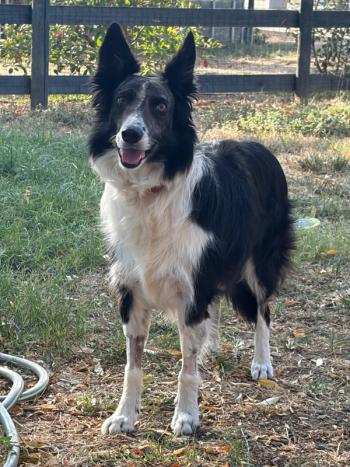
UC Davis veterinarians used 3 titanium miniplates and 16 screws to repair fractures of the skull, orbit, and midface in a 5-year-old dog named Tessa.
Accidental ingestion, not a drug defect, is behind the increase in calls, according to Pet Poison Helpline.
Pet Poison Helpline (PPH) is getting a growing number of calls about Apoquel (oclacitinib; Zoetis), and highlighted a recent case in which a cat developed hepatic and renal effects after eating a dog's supply of the drug to help raise awareness on accidental Apoquel overdoses to help protect pets and educated veterinary professionals and their clients.1
"Over the last few years, we have seen an increasing number of calls regarding Apoquel, so we wanted to educate pet lovers about the danger this medication can pose in large overdoses and in unprescribed pets," said Renee Schmid, DVM, DABT, DABVT, senior veterinary toxicologist and director of veterinary medicine at PPH, in the release.1
The case involved an Indiana household with 5 cats and 1 dog. Grace, the owner, came home to find her dog's recently refilled Apoquel bottle empty on the floor, which held 13 tablets. Her dog had been at work with her that day, and only 1 of the 5 cats, Tangerine, showed clinical signs: an elevated third eyelid and squinting.1
Because each cat could have been at risk from only a small amount of the drug, the helpline's toxicologists recommended that all 5 cats see a veterinarian. The owner however chose to bring in only Tangerine, but she was told to watch the other cats at home for vomiting, diarrhea, lethargy, anorexia, and ocular changes.1
At Veterinary Care and Emergency Specialist South in Indianapolis, the medical team called PPH for treatment recommendations. According to Schmid, Tangerine had eaten enough to cause gastrointestinal upset as well as decreased white blood cell counts and ocular, cardiovascular, hepatic, and renal effects.1
"Tangerine's bloodwork showed the liver and kidney were already being affected and this ingestion was likely to be fatal if left untreated," Schmid said.1
Tangerine was hospitalized for 2 days and treatment included intravenous fluids for renal support, hepatoprotective medication, therapy to help remove the toxin from the body, and cardiovascular support. The team monitored his heart rate, blood pressure, bloodwork, intraocular pressure, and tear production. He made a full recovery, and none of the other cats developed signs.1
PPH noted that Apoquel has greatly benefited dogs with skin disease and is not expected to cause problems at the prescribed dose. Serious effects can occur with large ingestions of the medication or when cats take it.1
PPH did not disclose whether Tangerine ate the original tablets or the chewable version but federal regulators have flagged the chewable version specifically. In July 2026, the FDA said the pork-liver flavoring in Apoquel Chewable makes it appealing to both dogs and cats, and as of April 2, 2026, the agency had received 259 overdose reports in dogs and 64 in cats since the product was approved in June 2023. The FDA noted that cats face a greater risk of severe complications, with reported signs including vomiting, diarrhea, lethargy, eye redness and swelling, and effects on the heart, brain, kidneys, and liver, usually within 24 hours. Apoquel Chewable is approved only for dogs older than 12 months and is not approved for cats.2
Clinicians at North Carolina State University College of Veterinary Medicine raised similar concerns in 2025 when they described 2 cats that developed acute kidney injury after eating the chewable tablets. Both needed hemodialysis and fully recovered. The clinicians advised that households with cats use the original, nonchewable formulation.3
When prescribing oclacitinib to dogs in multi-pet homes, veterinary teams can remind clients to keep it in its original packaging and somewhere pets can't reach, such as a high cabinet.2 Clients should call their veterinarian or an animal poison control center right away if they suspect a pet has eaten the medication, and the same rule should be followed even if one pet in the household is showing signs.1-2
References