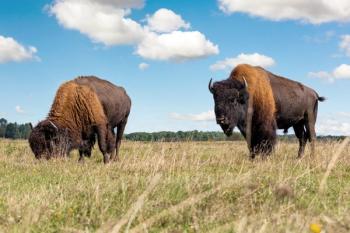
The first survey of parasite control on bison ranches shows most herds are dewormed on a schedule, with little testing to see whether they need it. Researchers say the habit could make resistance harder to manage.

Pot-bellied pig patients require different medications and equipment that a clinic may not ordinarily stock
Register now for
Laila Proença, DVM, PhD, MV, MSc, DACZM, explains the differences in care for pot-bellied pigs an interview with dvm360®. She previously co-authored an
View the video below for the entire discussion. The following is a partial transcript.
Laila Proença, DVM, PhD, MV, MSc, DACZM: I will say like, common things are the vaccines that we don't carry if we only seen dogs and cats, right? So the specific vaccines...it's overwhelming because when you look at production pig, that myriad of vaccines [they need]. But now when we're talking about pet pigs, it's completely different. And there are only a few that we recommend, one of them being, Erysipelas, Leptospira, and rabies. I know commonly, for example, you're going to find in books or articles to give Clostridium, which is...to prevent tetanus, but that's not necessary when we're dealing with [pet] pigs.