
Amanda Landis-Hanna, DVM, veterinary industry liaison, speaker, and consultant, talks about her experience volunteering at her local animal shelter while also working with a veterinarian at a practice when she graduated veterinary school.
Amanda Landis-Hanna, DVM, veterinary industry liaison, speaker, and consultant, talks about her experience volunteering at her local animal shelter while also working with a veterinarian at a practice when she graduated veterinary school.
CERENIA (maropitant citrate), which is an anti-nausea drug for dogs and cats from Zoetis, has been on the market for several years now. Amanda Landis-Hanna, DVM, veterinary industry liaison, speaker, and consultant, talks about how this anti-nausea drug improves both the human-animal bond as well as the quality of life of the patient.

Ask the dvm360/VHMA Practice Manager of the Year: Our veterinary practice doesn't handle conflict well. Is this normal?
Emily McCobb, DVM, MS, DACVAA, director of shelter medicine in the clinical sciences department at the Cummings School of Veterinary Medicine at Tufts University, says the goal for animal shelters is for them to become community resource centers that can target and help with specific animal-related issues.
Kristen Cooley, BA, CVT, VTS (Anes/Analgesia), instructional specialist at the University of Wisconsin School of Veterinary Medicine, says she prefers the term veterinary nurse because she believes it is more understood by the general public.
Amanda Landis-Hanna, DVM, veterinary industry liaison, speaker, and consultant, discusses what she has heard about the new Feliway Multicat product by Ceva Animal Health.
No fashion faux paws here-just postoperative protection for healing incisions.
If the plan is too crazy or expensive, your architect will rein you in!
The Lower the Dose initiative has been established for people in the human health care profession for about 3 years, while the veterinarian initiative is only a few months old. Michael Bailey, DVM, DACVR, project manager for IDEXX, explains that while there are well-established federal radiation safety standards, many people have become lax about them.
Older veterinarians are more likely to show resistance when it comes to implementing a pain management program. Kristen Cooley, BA, CVT, VTS (Anes/Analgesia), instructional specialist at the University of Wisconsin School of Veterinary Medicine, explains that this is because pain management was not as big of a deal as it is today when these older veterinarians were in medical school.
Comparative oncology means taking a one medicine approach, and if you can prove something will work in more than 1 species, it is more likely to be a successful treatment in real life. Heather Wilson-Robles, DVM, DACVIM (Oncology), associate professor in the veterinary medicine and biomedical sciences department at Texas A&M University, explains how using pathways across species is important to the future of cancer treatments.
Some of the best veterinary hospitals provide extensive mentoring programs for their staff and employees. Amanda Landis-Hanna, DVM, veterinary industry liaison, speaker, and consultant, explains how cross training programs can make sure associate veterinarians continue to be engaged and challenged, as well as veterinary technicians, veterinary receptionists, and veterinary nurses.
New England has a much higher spay/neuter rate than other parts of the country. Emily McCobb, DVM, MS, DACVAA, director of shelter medicine in the clinical sciences department at the Cummings School of Veterinary Medicine at Tufts University, says the rate is so high in this region because of geographical, societal, and animal factors.
There are good ways to assist with costs after the window for pet insurance has passed.
Be yourself. Make pet owners forget those highly visible, "bad apple" vets and the shade they bring to the profession.
The Cat Friendly Practice program began with the recognition that cats and cat owners weren’t coming in to see veterinarians. Elizabeth Colleran, DVM, MS, DABVP (Feline), practice owner of the Cat Hospital of Portland, chair of the Cat Friendly Practice program, explains how the program started and what exactly it does for veterinary practices.
When you go to a dentist or other doctor for a painful procedure, paying for a local block is widely accepted and understood. Kristen Cooley, BA, CVT, VTS (Anes/Analgesia), instructional specialist at the University of Wisconsin School of Veterinary Medicine, explains how the same should go for veterinary medicine.

Have YOU ever had to explain your job title to an Uber driver? Ken Yagi has, and part of the reason he's in favor of the title change to registered veterinary nurse.
Susan Little, DVM, DABVP (Feline), owner of Bytown Cat Hospital in Ontario, Canada, explains what to do when dealing with a cat that isn’t obstructed yet but has clinical signs of lower urinary tract problems.
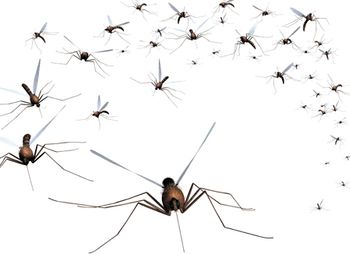
And carried with them is the threat of heartworm disease for veterinary patients.
Older, usually male veterinarians can sometimes show a huge resistance to any change in their veterinarian practice. Kristen Cooley, BA, CVT, VTS (Anes/Analgesia), instructional specialist at the University of Wisconsin School of Veterinary Medicine, says to make this resistant veterinarian susceptible to change, you need to find their barriers and try to break them down.
People in the U.S. seem to spend more money on pets and pet health care than people in Isael. Ron Ofri, DVM, PhD, DECVO, professor of veterinary ophthalmology at the Hebrew University of Jerusalem, talks about the differences he sees between pet health care in the U.S. and pet health care in Israel.
When cats become stressed, they can show both behavioral and physical signs. Ellen Lindell, VMD, DACVB, owner of Veterinary Behavior Consultations in Bethel, Connecticut, explains the importance of addressing the clinical signs when cats get stressed, as well as affecting the stressors in their environment.

Elizabeth Thomovsky, DVM, MS, DACVECC, associate professor of small animal emergency and critical care at Purdue University, gives advice on how to differentiate between different types of respiratory distress in cats.
Everyone, not just those who work in health care, can benefit from practicing meditation and mindfulness-based stress reduction. Brian DiGangi, DVM, MS, DABVP, immediate past president of the Association of Shelter Veterinarians, talks about some of these popular techniques that people use to cope with compassion fatigue.
Lower the Dose is an initiative brought forth by IDEXX, a leader in diagnostics and IT solutions for animal health. Michael Bailey, DVM, DACVR, project manager for IDEXX, explains that this initiative is trying to emphasize the importance for those working in health care to have as low of an exposure to diagnostic radiation as possible.
Heather Wilson-Robles, DVM, DACVIM (Oncology), associate professor in the veterinary medicine and biomedical sciences department at Texas A&M University, believes the number of feline clinical trials will change in the future dependent on the interest there is in certain feline cancers.
Kristen Cooley, BA, CVT, VTS (Anes/Analgesia), instructional specialist at the University of Wisconsin School of Veterinary Medicine, discusses what to do when a veterinary nurse wants to improve pain management in their practice but a veterinarian in the same practice is very resistant to this change.
Contrary to popular belief, the visual acuity and resolution in dogs is much higher than in cats. Ron Ofri, DVM, PhD, DECVO, professor of veterinary ophthalmology at the Hebrew University of Jerusalem, explains how cats have superior nighttime vision while dogs see better during the daytime.
Emily McCobb, DVM, MS, DACVAA, director of shelter medicine in the clinical sciences department at the Cummings School of Veterinary Medicine at Tufts University, hopes and expects the nation will start looking like the northeast corner of the country in that all adoptable animals are getting adopted and euthanasia for healthy adoptable animals is coming to an end.