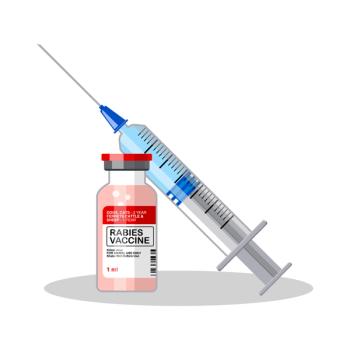
Several rabies exposure incidents have been reported across multiple states, days after the CDC issued a health advisory on rising human rabies exposures and errors in post-exposure prophylaxis (PEP) administration.
Two laboratory-confirmed Nipah virus infections in nurses in West Bengal prompted targeted public health action and regional travel screenings while the WHO assesses national and global risk as low.
India confirmed 2 laboratory-confirmed cases of Nipah virus infection in West Bengal in January 2026. Both patients were 25-year-old nurses employed at the same private hospital in Barasat and developed neurologic complications after symptom onset in late December 2025.1
The cases were first flagged as suspected Nipah infections by the Viral Research and Diagnostic Laboratory at a government hospital in Kalyani on January 11 and were confirmed by the National Institute of Virology (Pune) on January 13. As part of the public health response, authorities identified, traced, monitored, and tested 196 contacts. All tested negative and, as of January 27, no additional cases had been detected. The World Health Organization (WHO) reports 1 patient improving, whereas the other remains critically ill, and it characterizes the subnational risk in West Bengal as moderate but national and global risk as low.1
Related:
Nipah virus is a zoonotic paramyxovirus maintained in fruit bat reservoirs and can transmit to humans via contaminated food or close contact with infected animals or people. Clinical presentation ranges from mild or asymptomatic infection to severe respiratory illness and fatal encephalitis, with historically reported case fatality ratios between approximately 40% and 75% depending on the outbreak and quality of care. There is no licensed vaccine or specific antiviral therapy. Management remains supportive with early intensive care where indicated.1
The detection of infections in health care workers has prompted intensified infection prevention and control measures in affected facilities and heightened surveillance in neighboring countries. Several Asian authorities implemented enhanced entry screening and thermal checks at ports of entry in response to the West Bengal cases, although India assessed the local outbreak as contained and has not recommended travel or trade restrictions.2,3
Although historical Nipah outbreaks have tended to be localized or limited to health care settings and close contacts, past experience in the region implies the need for rapid detection and cross-sector collaboration to interrupt transmission chains. Media and regional reports indicate that the January 2026 situation has triggered airport and border screening in some neighboring countries as a precautionary measure. Veterinarians with animals or clients who travel regionally should be aware of evolving advisories.2,4
Although the immediate risk to the US remains low, the West Bengal cases reinforce the importance of routine zoonotic surveillance, strict biosecurity, and travel history screening for animals and clients. The WHO recommends clinicians ask about recent human or animal travel to affected regions when evaluating unexplained febrile encephalitis or severe respiratory disease, follow standard personal protective equipment and laboratory biosafety procedures when handling suspect specimens, and promptly notify state public health and veterinary authorities of any suspicious clusters. Reinforce client guidance on food and animal handling hygiene to reduce bat-to-human exposure risk, and engage with One Health partners to ensure rapid information sharing and coordinated response.1
Speaking on the release of the updated American Animal Hospital Association (AAHA) One Health Guidelines in September 2025, Brian Sick, MD, MHA, FACP, FNAP, cochair of the AAHA One Health Guidelines, said, “The highest quality care—for individuals, families, communities, and our shared environments—depends on true interprofessional collaboration. Yet, despite this widely accepted principle, one of the most enduring gaps exists between human and veterinary medicine.”5
References