


Several years of opioid shortages, legal restrictions, and bounding abuse have triggered the veterinary community to pivot to alternative medications and therapies for pain control in animals. But we haven’t gone cold turkey just yet.
Several years of opioid shortages, legal restrictions, and bounding abuse have triggered the veterinary community to pivot to alternative medications and therapies for pain control in animals. But we haven’t gone cold turkey just yet.
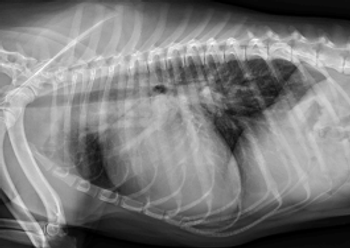
Congenital defects that affect the canine heart have hallmark signatures traceable on puppy exam. Understanding the subtle differences in how they present enables the veterinarian to bring clarity and hope to a dog born with a faulty heart.

To work more effectively with your patients, train yourself to see the world as they see it, through images.

A systematic, streamlined examination style that uses minimal touch to maximize data while minimizing stress.

While charged with managing the health of 4-legged patients, veterinarians must also be cognizant of burnout in their 2-legged caregivers when those pets are sick. To do so, we must also care for ourselves.

Pet owners have to employ coping strategies to buffer them through the trauma of euthanizing their pets. A new study reveals—on a grand scale—how they seek comfort.

To set the stage for probing the human anti-malaria drug mefloquine as an agent for combatting feline corona- and caliciviruses, researchers map out its pharmacokinetic profile in cats.

A large study sheds light on anxious behaviors in dogs by evaluating their penetrance within the domestic canine population, the patterns by which certain traits occur in tandem, and the genetic stronghold for these behaviors.

Companion animal practitioners can take poultry under their wing by incorporating into their practice medical care for these birds and by counseling clients on proper fowl husbandry.

CBD-rich, hemp-based nutraceuticals appear to be relatively safe in healthy dogs and cats, but dogs seem to absorb CBD better than cats.
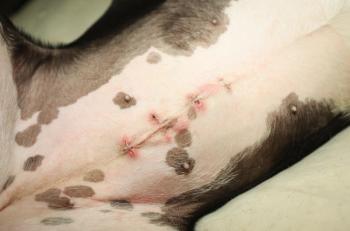
A new study connects disease risk for joint disorders, cancers, urinary incontinence, and pyometra with reproductive status and sterilization timing in different canine breeds and both sexes.
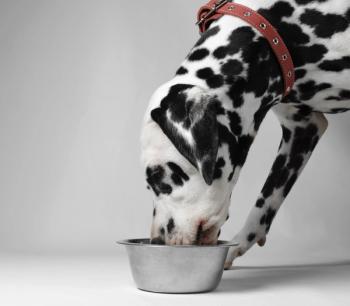
Pet food labels are awash with unfamiliar ingredients, nutrient percentages, feeding directives, and marketing claims. Use these guidelines to help your clients understand the complexities of pet food labels and match dietary choices to pets’ nutritional needs.

Research shows that traditional methods for heartworm testing using nonheated samples likely underestimate the true prevalence of feline heartworm.

By tracking age-related progressions in gene methylation patterns of dogs and comparing them with those previously observed in people, researchers have constructed a new “epigenetic clock” for translating dog years to human years.

A maiden study pinpoints wardrobe styles pet owners prefer from their veterinarian, uncovering links between attire and the levels of trust, confidence, and comfort clients associate with the doctor.
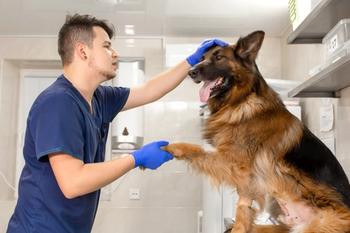
The supplement Fortetropin has been shown to curb muscle atrophy associated with postoperative exercise restriction in dogs following surgical repair of cruciate tears.

Identifying IBD is often a challenge, but the recent discovery of serum-based markers for canine IBD may make diagnosing this disease in dogs quicker, cheaper and less invasive.

Causes of feline diarrhea range from simple infection to cancer. By characterizing the diarrhea and running simple tests, the practitioner can identify the pathology and stop the mess.

Nutritional information is a key part of a veterinary patient’s history and crucial to good medical case management, yet this information can be elusive. According to the results of a new study, how you phrase your question can make all the difference between an ample answer and a lean response.

In the spirit of “building a better mousetrap,” researchers have tested a novel measurement protocol—the manubrium heart score—for flagging cardiac disease in dogs.

Apocrine gland anal sac adenocarcinoma is an aggressive cancer that might be better harnessed with targeted chemotherapeutic agents. A recent study evaluated the efficacy of toceranib in treating this tumor, and assessed prognostic factors.

Coronaviruses are generally zoonotic, and certainly not news in animal health circles. Therapies shown to inhibit replication of viruses having animal hosts could hold promise for treating the novel coronavirus in people.
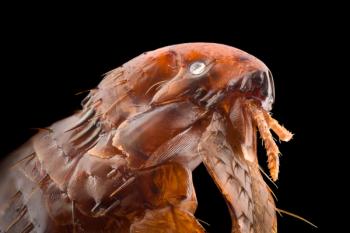
Fleas have a supersonic life cycle and fireball breeding power, but many veterinary clients don’t grasp the behemoth problems these arthropodal dynamos can create. That’s where you come in.

A flagship study details tick infestations in pet dogs and cats in the United States.

In light of global ecologic changes altering emergence patterns of tickborne zoonoses, investigators mapped out a novel framework for scoping out the influx of ticks—and the diseases they bring—into new geographic areas.

Subtle, nonspecific clinical signs coupled with no identifiable trigger make pancreatic disease an elusive diagnosis.
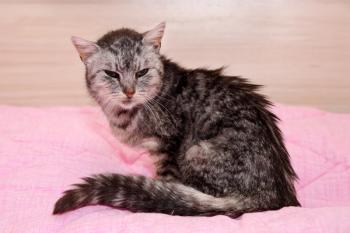
Diabetic ketoacidosis (DKA) is the body’s breaking point when diabetes mellitus wreaks havoc. What pushes the diabetic animal over the edge is typically an underlying disease that hinders compensatory mechanisms.

Opioids lob their powers against many of the body’s evils, from pain to coughing to diarrhea. But there’s a dark side to opioids, both for the pets prescribed them and for their human caregivers.

Change in veterinary medicine is a given. You can embrace the evolution or not, but just be sure you’re aware of what’s trending—because your clients are sure to ask.

Developing a successful treatment plan for common allergies in cats first requires an accurate diagnosis. A veterinary dermatologist provides diagnostic and treatment details to help you put a stop to the scratching.