Sea You at Fetch Long Beach
News|Articles|October 15, 2018

Wanna be a vet? Read this.

Share this short, to-the-point algorithm with anybody who's on the road to vet school ... or just starting to dream about a career as someone who TOTALLY spends ALL DAY playing with cute puppies and kittens (sarcasm, people).

You're an idealistic pet lover. You want to heal animals. You have a mind for science and solving problems. Maybe you've even volunteered at some animal shelters or helped dog-walk.

A career in veterinary medicine could be right for you.

But-brake check-click on the image below (or right here) to cover the most rudimentary basic-attitude bases to see if you really want to be a veterinarian. It's mostly funny ... but also pretty serious.


Related to this article

Q&A: Caregiver burden can begin early in pet illness. Are veterinary teams equipped to support clients, and how can veterinary social workers help both parties?
Caroline Cox, LSW, MSW, and Erika Krick, VMD, DACVIM (Oncology), discuss the role of veterinary social workers in supporting clients, communicating with veterinary teams, and helping practices address the human side of veterinary care in this Q&A from an interview at the 2026 Fetch National Harbor Veterinary Conference.

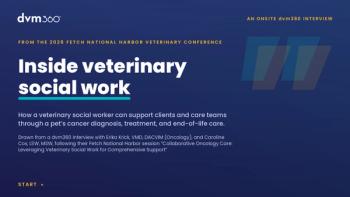
Inside veterinary social work
In a slideshow drawn from an on-site dvm360 interview at the 2026 Fetch National Harbor Veterinary Conference, a veterinary oncologist and a veterinary social worker walk through how the role supports owners and staff across a pet's cancer diagnosis, treatment, and end-of-life care.