Veterinary clients, hospitals not together on parasitology
A survey of veterinary teams and their clients yielded some buggy data. Namely, there was difference between what veterinary teams thought pet owners learned and valued, and what pet owners thought and valued. Is this you?
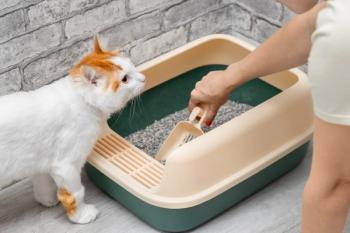
Christopher Lee, DVM, MPH, DACVPM, DACVM (Parasitology), explains Toxoplasma gondii facts, including why most indoor cats rarely shed, as well as pregnancy-safe litter tips for cat health.
The first survey of parasite control on bison ranches shows most herds are dewormed on a schedule, with little testing to see whether they need it. Researchers say the habit could make resistance harder to manage.
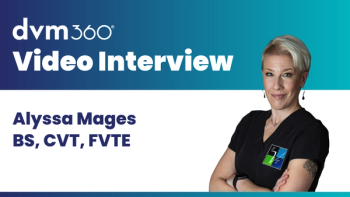
Alyssa Mages, BS, CVT, FVTE, outlines key considerations for veterinary technicians during triage, from rapid patient assessment and prioritization to client communication and team coordination, in this interview from the 2026 Fetch National Harbor Veterinary Conference.
In a session at the 2026 Fetch National Harbor Veterinary Conference, Nathanael Oster, VMD, MBA, walked attendees through the biology, diagnosis, and treatment of the flea tapeworm in dogs and cats, including why cats are affected more often than dogs.
A plethora of continuing-education sessions run across 3 days, September 17–19, at the Gaylord National Resort in National Harbor, MD. Here are the ones to circle first, sorted by practice area, plus a handful that are easy to scroll past and worth catching.
Christopher Lee, DVM, MPH, DACVPM, DACVM (Parasitology), discusses the clinical significance of Toxoplasma gondii, when veterinary professionals should consider testing, and how to communicate the risks of exposure to clients.
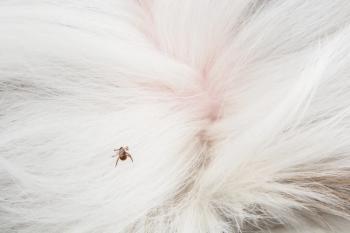
New CDC and climate data show tick exposure and pollen seasons are both stretching well beyond their traditional windows, a trend animal health company Elanco says is also increasing demand for veterinary care.