News|Articles|September 17, 2026
The dvm360 guide to the 2026 Fetch National Harbor Veterinary Conference: Sessions worth your time
A plethora of continuing-education sessions run across 3 days, September 17–19, at the Gaylord National Resort in National Harbor, MD. Here are the ones to circle first, sorted by practice area, plus a handful that are easy to scroll past and worth catching.
Advertisement
Advertisement
dvm360 editors reviewed the 2026 Fetch National Harbor Veterinary Conference program to identify sessions addressing the questions general practitioners, technicians, and specialists are navigating right now—from the most common cardiac disease in dogs to vaccine hesitancy, feline-specific challenges, and hands-on skill building. This guide highlights notable sessions across practice areas, including some that may be easy to overlook amid a packed conference schedule.
Related to this article

Brandon Stapleton, DVM, explains how fresh food differs from raw diets and how digestibility, hydration, and portioned meals can support weight management and hard-to-feed patients in this episode of The Vet Blast Podcast

Christopher Lee, DVM, MPH, DACVPM, DACVM (Parasitology), discusses the clinical significance of Toxoplasma gondii, when veterinary professionals should consider testing, and how to communicate the risks of exposure to clients.

Valli Parthasarathy, DVM, PhD, DACVB, discusses how veterinarians can evaluate feather loss, self-mutilation, and vocalization in pet parrots and identify when medical and behavioral factors may overlap.

The update covers diagnosis, slowing progression, managing complications, and supporting caregivers of cats with chronic kidney disease.

Valli Parthasarathy, DVM, PhD, DACVB, discusses how veterinarians can recognize and manage common behavior problems in pet parrots, from excessive vocalization to feather-destructive behavior. She also offers guidance on treatment, behavior modification, referral, and meeting the behavioral needs of these intelligent birds.

A UC Davis study is investigating why Labrador retrievers develop copper-associated hepatopathy and whether blood-based tools could help identify the disease before serious liver damage occurs.

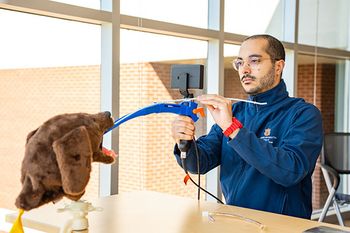
Veterinary and engineering students at Auburn University worked through several prototypes and campus visits to build a 3D-printed laryngoscope for teaching intubation in goats and pigs.
Advertisement
Advertisement