Fifteen second-year veterinary students will each receive $20,000, along with mentorship and leadership training that continues after graduation.
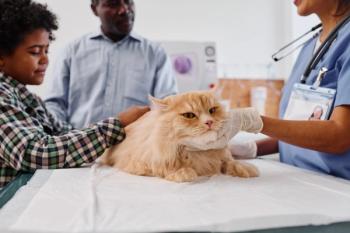
To change the way veterinarians examine aggressive cats, says Lisa Radosta, DVM, DACVB, owner of Florida Veterinary Behavior Service, first, veterinarians need to recognize that the aggression is actually fear.
To change the way veterinarians examine aggressive cats, says Lisa Radosta, DVM, DACVB, owner of Florida Veterinary Behavior Service, first, veterinarians need to recognize that the aggression is actually fear.
Dr. Radosta points out that there is an inherent difference in the way many veterinarians respond to fear or aggression in dogs and cats—but there shouldn’t be. By changing the mindset in which cats are viewed, veterinarians can then begin to change their behavior in terms of examining fearful felines.