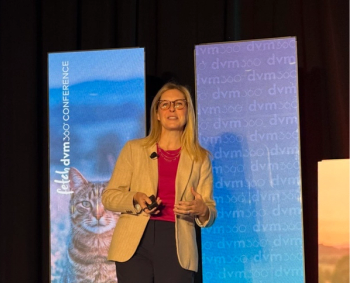
Sea You at Fetch Long Beach
News|Videos|December 20, 2023

An overview of seizure management therapy and medications

Long Beach, California convention center

Fred Wininger, VMD, MS, DACVIM (Neurology), discussed some older seizure medications and other management therapies

While at the Fetch conference in Long Beach, California, Fred Wininger, VMD, MS, DACVIM (Neurology), sat down with dvm360 in an interview and explained some older anti-seizure medications and how they can still be used alongside newer treatment options. He also discussed how to find the best management therapy for your patients.

The following is a partial transcript of the video.

Fred Wininger, VMD, MS, DACVIM (Neurology): When it comes to anti-seizure medications 15 years ago, I would lecture about it. And nobody knew what [levetiracetam] (Keppra) was. And now Keppra is the initial monotherapy that a lot of my colleagues use. But I think we've forgotten that there's so much value in our tried and true anticonvulsants, specifically phenobarbital and potassium bromide. And so we're going to focus on the utility of those drugs, the synergy they have with some of our modern anticonvulsants and when they're best employed.


Related to this article

Q&A: Caregiver burden can begin early in pet illness. Are veterinary teams equipped to support clients, and how can veterinary social workers help both parties?
Caroline Cox, LSW, MSW, and Erika Krick, VMD, DACVIM (Oncology), discuss the role of veterinary social workers in supporting clients, communicating with veterinary teams, and helping practices address the human side of veterinary care in this Q&A from an interview at the 2026 Fetch National Harbor Veterinary Conference.
Inside veterinary social work
In a slideshow drawn from an on-site dvm360 interview at the 2026 Fetch National Harbor Veterinary Conference, a veterinary oncologist and a veterinary social worker walk through how the role supports owners and staff across a pet's cancer diagnosis, treatment, and end-of-life care.