


Livestock
Latest News
Advertisement
Latest Videos
CE Content












Advertisement
More News
"Our research shows that a one-size-fits-all approach to controlling avian pathogenic E coli infections is not effective," said Jai Mehat, BSc, PGCert, PhD, FHEA, coauthor of the study.

Veterinarians who have graduated within the past 7 years or students in their last year of veterinary school could receive up to $100,000 under the proposed bill.
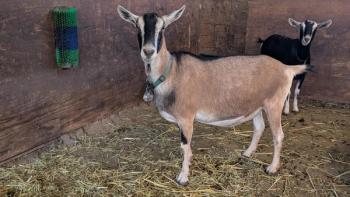
The 5-year-old female Alpine goat was brought to UC Davis after mastitis was discovered on her udder.

Arkansas State University celebrated the symbolic milestone in constructing its new facility during a celebratory event.
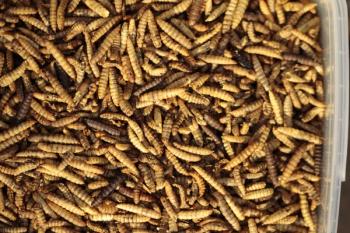
Black soldier fly larvae could offer a more environmentally friendly alternative to conventional feed ingredients such as soy and fishmeal, according to researchers.
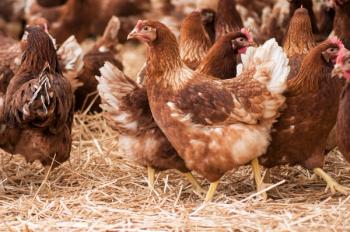
One Wisconsin farm affected by H5N1 houses more than half a million birds, according to the state government agency.
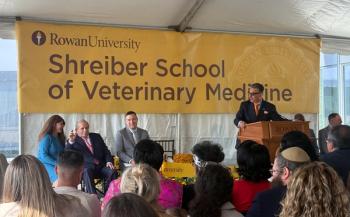
A formal ribbon-cutting ceremony celebrated the first veterinary school in New Jersey.
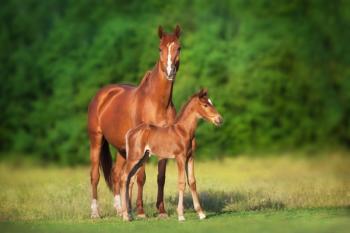
Investigators at Texas A&M University, the University of Kentucky, and the University of São Paulo aim to better understand how bacterial infection causes miscarriage.
Zoetis' Dectomax-CA1 is the first drug to receive conditional approval in the US for addressing this type of parasitic infestation.
Chronic wasting disease is a contagious, fatal, and progressive neurological disease that affects cervids like deer and elk.
Since the outbreak started in March 2024, dairy cattle in 17 states have been infected with highly pathogenic avian influenza H5N1.
Gamrozyne is the first generic version of Zactran, a pioneer product.
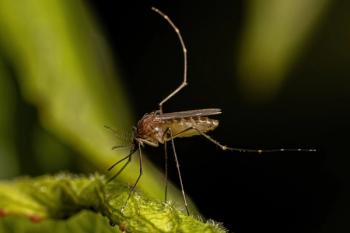
New research uncovers additional mosquito species as potential vectors for Japanese encephalitis virus, highlighting risks to swine and public health.
New research projects funded to combat avian influenza in swine focus on vaccine development, transmission risks, and biosecurity measures.
Regulatory approval from animal health authorities is still required before the vaccine can be made commercially available.

The American Board of Veterinary Acupuncture and the American Embryo Transfer Association have asked to be recognized as veterinary specialty organizations.

The approach, developed by a veterinary diagnostics company and Scotland’s Rural College, uses AI and microRNA.
The technology will be used to breed PRRS-resistant swine.
The use of technologies to increase food production and understand the implications of gene editing are being explored
A new study aims to improve understanding of occurrence and management of the condition
Steven Marks, BVSc, MS, MRCVS, DACVIM (SAIM), dean of the Harvey S. Peeler Jr. College of Veterinary Medicine at Clemson University, discusses why the future school is important to South Carolina and the veterinary profession.
Current levels of pain management administration by dairy producers and veterinarians in Europe and North America are low.
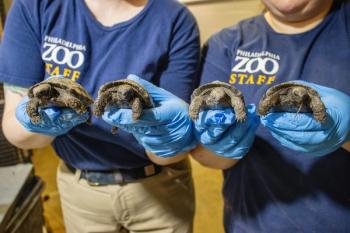
Four critically endangered Western Santa Cruz Galapagos Tortoises hatched earlier this month, the first time in the zoo’s 150+ year history

The innovation also has the potential to detect other diseases in livestock, in addition to detecting up to 200 types of cancers
Advertisement
Advertisement
Trending on dvm360
1
How to talk with clients about year-round flea and tick protection as temperatures drop
2
You can do anything, but not everything: How values-driven veterinarians find joy now
3
The role of nutrition in extending health span for senior pets
4
Only 15 veterinary conferences left in 2026: Find dates and registration links here
5