
















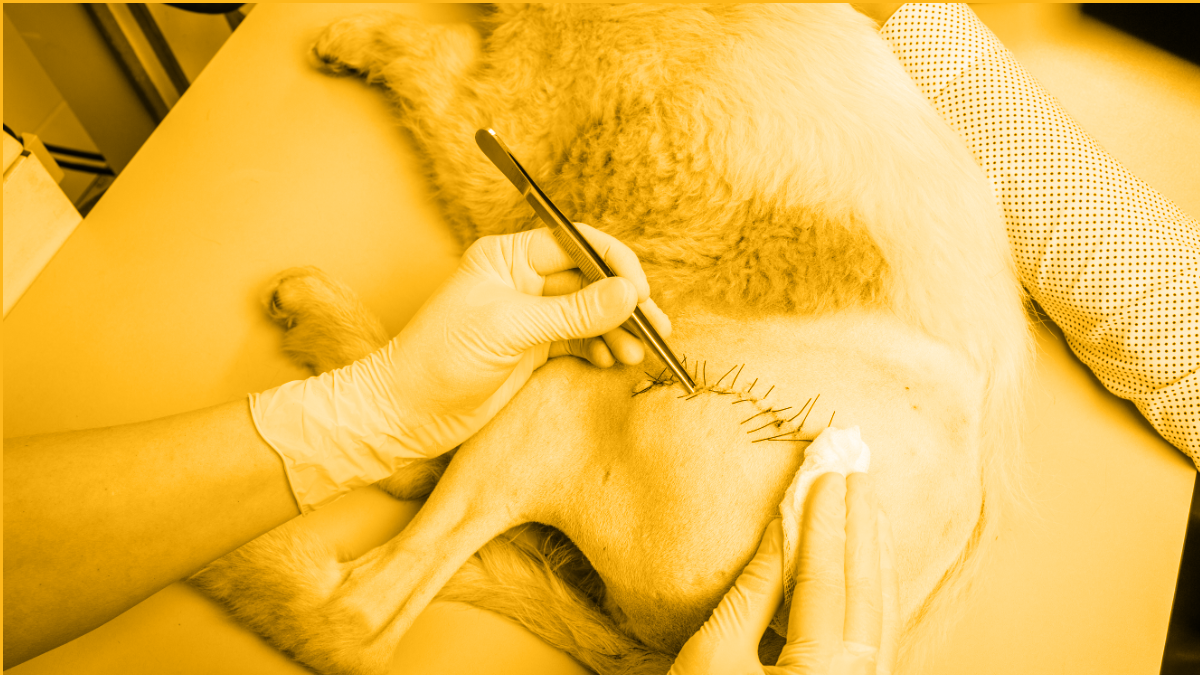

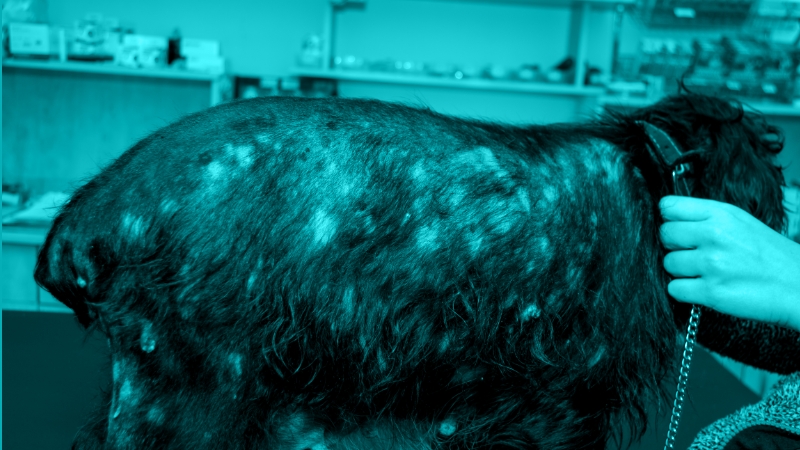


Thermal burns in reptiles are one of the most common injuries seen by herp veterinarians.
Thermal burns in reptiles are one of the most common injuries seen by herp veterinarians.
Marsupials have some of the most unique anatomic and physiologic features among members of the Class Mammalia.
In general, all reptiles are covered with scales. They can have four legs, or none.
The majority of the reptile cases presented to veterinarians are dehydrated as a result of a chronic disease.
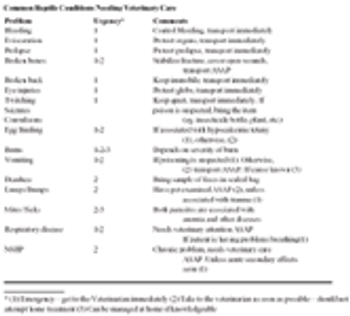
Reptiles take a very long time to get sick. By the time they show signs of disease, their condition is usually advanced.
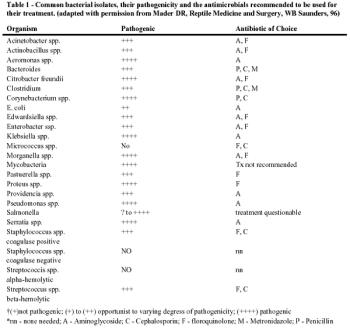
To date there have been very few pharmacokinetic studies published in reptiles, and with only limited numbers of antibiotics.
Parasites are a common finding in wild-caught and captive small exotic mammals.
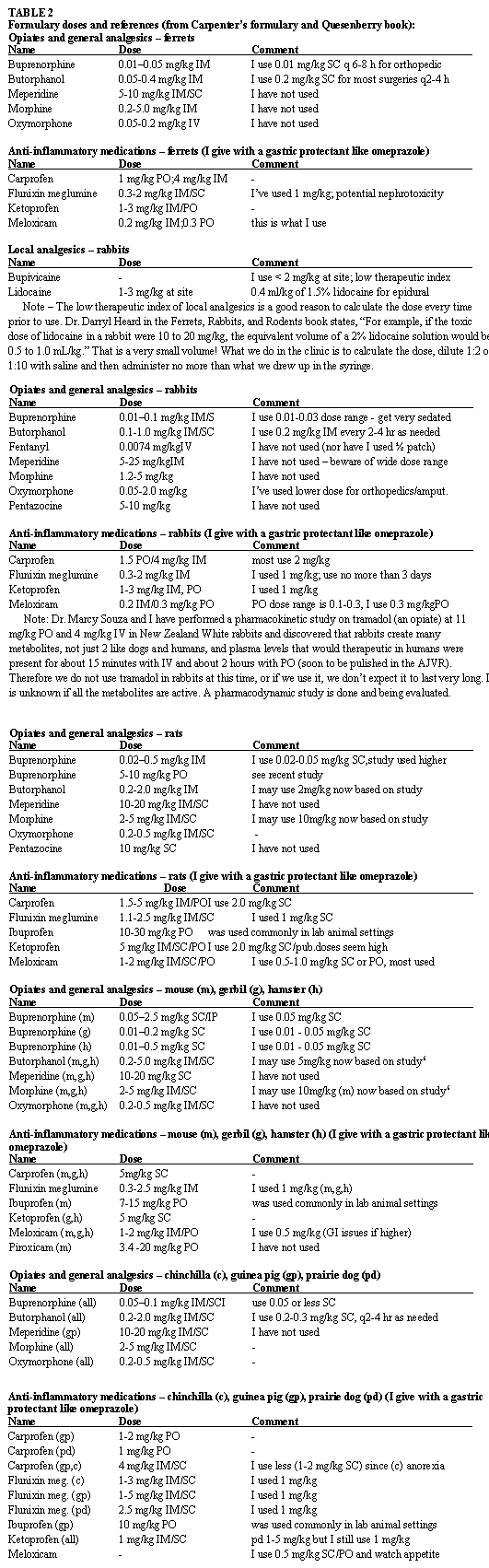
Clinicians working with "exotic species" should establish consistent anesthetic and analgesic protocols to manage cases that require diagnostic or surgical procedures.
Reptiles take a very long time to get sick. Likewise, amphibians tend to hide disease for prolonged periods.
It has been well established that the majority of bacterial pathogens affecting reptile patients are of the gram negative type.
Many of the exotic species we deal with have evolved to mask their illness to avoid predation.
Ferrets remain popular pets in the United States.
There are two ways to approach a disease issue in fish: 1) ante-mortem tests and 2) post-mortem tests.
Bearded dragons (Pogona spp.) are omnivorous lizards that are native to Australia.
December 2007 BPA Statement for Veterinary Medicine
The ferrets are mammals in the Mustelid family.
This paper will provide an overview of selected infectious diseases that avian practitioners are likely to see in a clinical avian practice.
This article will discuss methods of recognizing and diagnosing clinical liver disease in avian species including clinical signs, laboratory testing, diagnostic imaging, biopsy, histopathology and culture.
Proper nutrition for companion avian species has long been and still is a central focus of avian veterinarians and aviculturists.
The purpose of this paper is to provide a brief review of important aspects of perioperative management.
Renal disease in avian species is a relatively common occurrence in clinical practice and can be caused by a number of disease processes.
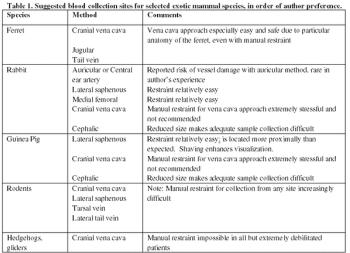
Collection of blood for diagnostic testing can be challenging in exotic pet mammals, especially in smaller species.
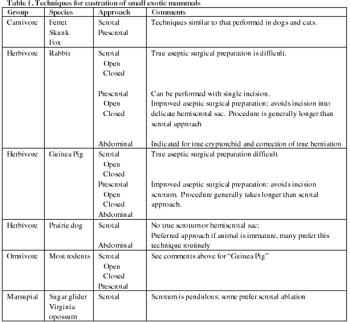
Castration techniques for exotic mammals include scrotal, prescrotal and abdominal surgical approaches.
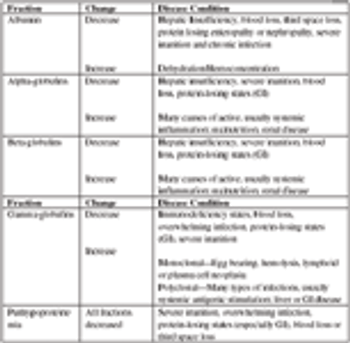
The biochemical profile helps the veterinarian evaluate a patient's metabolic status through three specific groups of tests (metabolites, tissue enzymes and electrolytes).
This lecture will provide an overview of emergency management of critical avian patients by addressing emergency preparedness, supportive care, empirical drug therapy (e.g. antibiotics and supplements), nutritional support, oxygen therapy and oxygen therapy