
Mentorship is a powerful recruitment tool for new graduates, but it must be delivered well to retain them.
Boatright, a 2013 graduate of the University of Pennsylvania, is a practicing veterinarian and freelance speaker and author in western Pennsylvania. She is passionate about improving connection with clients and colleagues through spectrum of care practice and mentorship. Outside of clinical practice, Dr. Boatright provides consulting services for clinics looking to improve spectrum of care practice and mentorship programs. She is also actively involved in organized veterinary medicine at the state and national levels.
Mentorship is a powerful recruitment tool for new graduates, but it must be delivered well to retain them.
RCVS Knowledge published a Contextualized Care Roadmap in 2025 that provides guidance that can be applied in the US.
Proactive client education and regular physical examinations give veterinarians the opportunity to extend symptom-free time in cases of mitral valve disease, one of the most common cardiac diseases experienced by dogs.

Sponsored
Finding an effective, safe medication to control itch is essential to maximize patient comfort. Because Zenrelia does not require a loading dose and is administered once daily, Zenrelia may help improve owner compliance and can be cost effective* for pet owners
Managing upper airway diseases in dogs requires making an accurate diagnosis and targeted treatment.

Helping owners assess their pet’s quality of life is an important part of the end-of-life decision making process

Treating separation anxiety requires behavioral modification and medication, but which drug should you choose?
Many therapies exist for osteoarthritis, but the best approach is multimodal and patient-specific.

Veterinarians play an important role in helping to guide pet owners through the decision-making process leading to behavioral euthanasia

Veterinarians should become familiar with new definitions and recommendations for managing urinary tract infections in dogs and cats to promote antimicrobial stewardship.

Recognizing PNS can help veterinarians identify neoplasia earlier and improve the quality of life in patients with cancer

To support the health of their patients, veterinarians should take a careful history and educate clients on common gastrointestinal and respiratory conditions seen in the breed.

It is important to prepare clients for possible outcomes and create a plan to determine a definitive diagnosis
Making an accurate diagnosis of immune-mediated hemolytic anemia in dogs and cats allows prompt treatment for this potentially life-threatening condition
Making a definitive diagnosis of leptospirosis in canine patients can be challenging and often requires a combination of tests

Veterinary professionals gain a better understanding of the condition’s pathogenesis and new treatment strategies

The diagnostic work-up can be divided into 3 steps and prioritizes localizing the source of decreased albumin levels.
Appropriate patient and test selection can help to reduce misdiagnosis of hyperadrenocorticism in dogs
Older felines commonly present signs of multiple disease processes, which can make case management challenging.

New laboratory tests allow veterinarians to screen their canine patients for the presence of cancer cells before the onset of clinical signs, which can improve patient outcomes.

Patients with gastrointestinal obstructions are higher risk anesthetic patients who require careful preparation and monitoring to maximize outcomes

Keeping current with research helps practitioners stay on the cutting edge of palliative care.
Veterinarians can do a lot to treat this cardiac condition in their clinics by following the most updated clinical evidence.

General practitioners and specialists can collaborate to offer clients and patients the best options and care to meet their unique needs
Patients presenting with a high body temperature may require time, a thorough history, physical examination, and often extensive but targeted diagnostic testing.
Uroliths are one potential cause of lower urinary tract signs in cats. Management varies by type but can be guided by clinical suspicion based on appropriate history, signalment, and diagnostics.
Use of pre-visit pharmaceuticals and in-clinic sedation for feline patients can improve the patient, client, and veterinary experience

Having a plan for approaching emergency cases can help smooth the stabilization process and improve patient outcomes.

In patients with unusual, severe, or nonresponsive dermatologic lesions, histopathology can be an important test to obtain a definitive diagnosis and guide treatment.
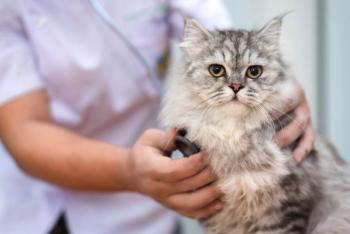
Systemic hypertension is a common finding in both canine and feline patients with serious potential sequelae.
November 29th 2022
December 2nd 2020

October 16th 2023

November 15th 2021
October 15th 2021