


News|Articles|June 12, 2026
Fiber-blend supplement shows promise for gut health in study
Author(s)Kristen Coppock Crossley, MA
Fact checked by: Yasmeen Qahwash
The investigation showed improved stool consistency and microbiome balance in cats and dogs.
Advertisement
A powder supplement containing a multifermentable fiber blend was found to help improve canine and feline stool consistency and microbiome balance in a recent study. The research was presented at the 2026 ACVIM (American College of Veterinary Internal Medicine) Forum in Seattle, Washington.1
The main objective of the investigation was to evaluate the effect of Fiber Biome Blend, developed by the biotech company Animal Biome, on fecal consistency in dogs and cats after 30 days of use. The study also sought to evaluate the supplement’s effect on the fecal microbiome of these animals.1
Launched on the market in 2025, Fiber Biome Blend was designed to nourish beneficial bacteria and support healthy digestion, according to Animal Biome.2 The product contains a blend of organic beets, larch arabinogalactan, and mannan-oligosaccharides.1
“It has slow, medium, and fast fermenting fibers, because we know that fast fermenting fibers just kind of get stuck in the top of the GI [gastrointestinal] tract, and they really don't pay attention to the microbes and everything else going on throughout the rest of the GI tract,” Carly E. Pomeroy, BS, a field trials coordinator II for Animal Biome, told dvm360.
Pomeroy authored the study with Connie A. Rojas, PhD, director of field trials and a senior scientist for Animal Biome; and Holly H. Ganz, chief science officer and founder of Animal Biome. The investigators recruited 75 dogs and 50 cats that were owned by clients from the company’s customer base.1
The team collected fecal samples pre- and post supplementation. These samples were analyzed to evaluate changes in gut microbial composition, using full-length PacBio 16S rRNA gene sequencing.1 For additional insight, pet owners were asked to complete surveys before and after use of the supplementation.
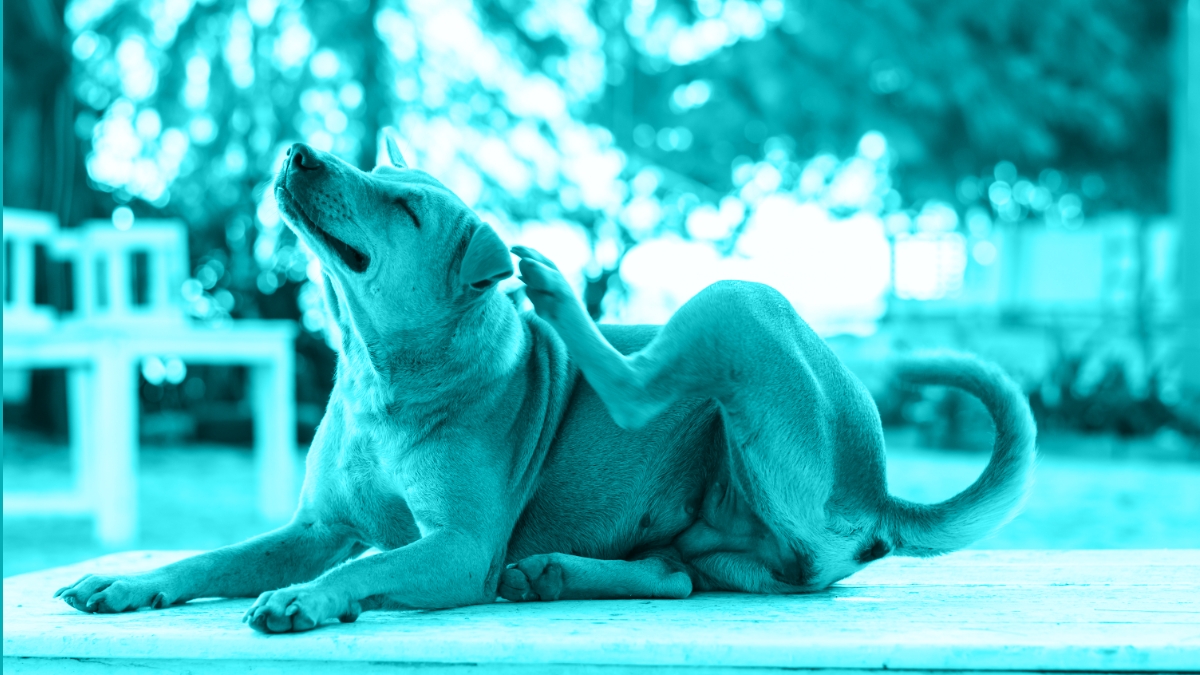
Results of the testing showed improved fecal consistency for dogs presenting with diarrhea or soft stools and for those with constipation (P = .004). The surveys revealed that 54% of dog owners in the study reported less scooting with their canines, and 40% of cat owners reported fewer hairballs in their felines after using the supplementation for 30 days.1
Analysis of the microbiome in the enrolled pets showed positive modulation of the gut microbial community. This included decreases in bacteria such as Escherichia coli and Streptococcus, and increases in Peptacetobacter hiranonis.1
The investigators found that supplementation with Fiber Biome Blend was associated with improved or maintained stool quality in both cats and dogs, supporting the promotion of gut health in these animals.1 “I think it improved stool quality in general, and pet parents seemed to be really happy with it, so it's very promising,” Pomeroy said.
The gut microbiome responds to diet and nutrition, environment, aging, long-term health stress, and medications that include antibiotics. These factors can cause shifts in bacterial balance and lead to symptoms of imbalance.3 “It's been shown that nutrition [and the] microbiome can affect so many things. It can help with behavioral issues, skin issues,” Pomeroy said.
Pomeroy noted that previously published research indicates that a balanced microbiome may improve symptoms associated with certain illnesses, including GI issues. “The microbiome is just so essential, so very important, and a lot more people are paying attention to it, which is great,” she added.
References
- Pomeroy CE. Microbiome responses to 30 days of fiber supplementation in dogs and cats. Presented at: 2026 ACVIM Forum; June 11-13, 2026; Seattle, WA.
- Fiber Biome Blend for cats and dogs. Animal Biome. Accessed June 11, 2026.
https://www.animalbiome.com/products/complete-fiber-blend - Next steps. Animal Biome. Accessed June 11, 2026.
https://www.animalbiome.com/pages/on-the-edge-for-dogs
Advertisement
Related Content
Advertisement



Latest CE











Advertisement
Advertisement
Trending on dvm360
1
Federal judge dismisses Lincoln Memorial University's antitrust lawsuit against the AVMA
2
American Regent recalls 3 lots of epinephrine injection over particulate matter and cracked vials
3
Girl Scouts add first cookie made for dogs to 2027 lineup
4
New iCatCare guidelines update feline chronic kidney disease care
5