Wrap up: New World screwworm confirmed in a US horse, and other news
Here are this week's headlines
Happy Friday, dvm360 readers! Fetch National Harbor is officially underway, and our team is on the ground at the Gaylord National Resort in National Harbor, Maryland, for the weekend to cover lectures, interview faculty, and more! If you're there, we hope to see you! If not, don’t worry you can follow along on dvm360. In the meantime, here's what you may have missed on dvm360.com this week.
Leading things off, dvm360's assistant editor Abi Bautista-Alejandre
Here is what else came out this week on dvm360.com:

- Heading to National Harbor? Our
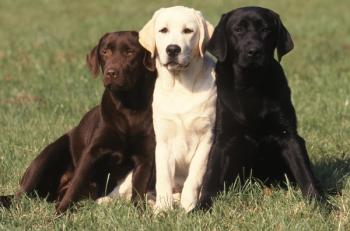
guide to the 2026 Fetch National Harbor Veterinary Conference, held September 17–19, sorts the continuing-education sessions by practice area. Topics range from canine cardiac disease and vaccine hesitancy to feline-specific conditions and technical skills. - A new University of California, Davis, study led by Tarini Ullal, DVM, MS, DACVIM (SAIM), is looking into why Labrador retrievers develop copper-associated hepatopathy and whether blood-based tools could catch it before serious liver damage occurs. The study is funded by a $233,211 grant from the AKC Canine Health Foundation and is recruiting dogs now.
Read more here. - Valli Parthasarathy, DVM, PhD, DACVB,
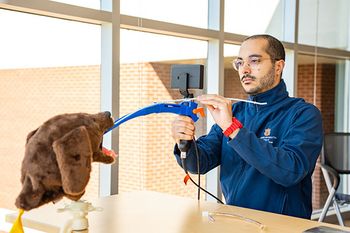
breaks down the "3 M's" for parrot behavior cases: management, modification, and medication. She also explains why sparse species-level drug research makes the first 2 her starting point. - A Spot Pet Insurance survey of 3,600 US dog and cat owners
found that pets now weigh in on some of life's biggest decisions. Nearly 60% said their pet's needs counted as much as their own when choosing a home, and 23% called a pet's negative reaction to a new partner an automatic dealbreaker. - Chile has become the first South American country
validated by the World Health Organization for eliminating dog-transmitted rabies. The country has had no human case of dog-mediated rabies since 1972. - In a new
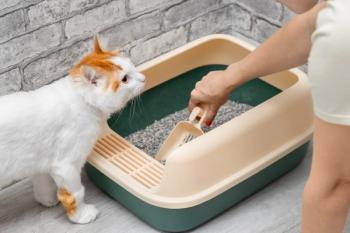
Q&A , Christopher Lee, DVM, MPH, DACVPM, DACVM (Parasitology), explains the clinical significance of Toxoplasma gondii, when to consider testing, and how to talk with clients about exposure risk. He points out that undercooked meat, unwashed produce, and soil pose a far greater risk than the household cat. - And more!
Related to this article