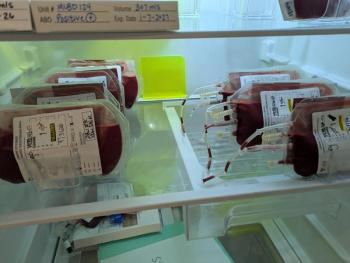
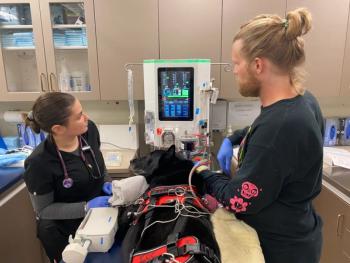
A 7-year-old Belgian Malinois recovered after her veterinary team used the extracorporeal therapy to clear the drug from her bloodstream.
Migraine caps, eye masks, and wraps may carry a hidden neurotoxic risk for dogs.
Reusable hot/cold gel products marketed for headache and pain relief may pose a life-threatening neurologic risk to dogs that chew them, according to new ASPCA research published in the Journal of the American Veterinary Medical Association (JAVMA).1,2 Laboratory analysis of products tied to the cases found acrylamide monomer concentrations far above levels expected in polyacrylamide-based materials.2
The case series reviewed ASPCA Poison Control’s AnTox database from January 1, 2024, through June 1, 2026, and focused on 45 dogs with strong evidence of exposure to a hydrogel migraine cap, eye mask, or wrap and clinical signs assessed as likely attributable to the ingestion.2 Investigators collaborated with The Product Injury Coalition, Cambridge Polymer Group, and VEG ER for Pets.1
Vomiting was the most common sign, occurring in 37 dogs (82%), followed by tachycardia (56%), seizures (53%), ataxia (51%), and tremors (47%).2 One-third of dogs had behavior changes such as anxiety, agitation, restlessness, or aggression, and 1 dog showed behavior consistent with hallucinations. Hypotension, panting, and hyperthermia were also each reported in 24% of dogs.2
Hypokalemia was the most frequent clinicopathologic finding (44%), followed by hyperglycemia (31%) and hemoconcentration (27%).2 Signs generally began within 12 hours of exposure, with vomiting first.2
Outcomes were known for 21 dogs. Of those outcomes, 14 (67%) died or were euthanized, and 7 fully recovered.2 Tachycardia and hypotension were more common among nonsurvivors. Time to death or euthanasia, when reported, was within 24 hours. Recovery in survivors took from 24 hours to several weeks.2
Gel samples from 2 cases and a purchased migraine cap matching a brand involved in 7 exposures all contained substantial acrylamide monomer, ranging from 12,900 to 51,800 ppm.2 That is 21 to 86 times the upper end of levels reported across industries (600 ppm) and 8,600- to 34,500-fold higher than the specification (≤1.5 ppm) for a medical device–grade polyacrylamide hydrogel.2
Acrylamide monomer is a known neurotoxin. Product labels frequently describe the contents as “nontoxic” or “medical grade,” but the authors note that “nontoxic” is an unregulated term.2 At the highest concentration measured, less than 20 g of gel would have been enough for the 9.5 kg dog in 1 detailed case to reach 100 mg/kg, an oral dosage at which convulsions have been observed in dogs.2
“At ASPCA Poison Control, we are receiving reports of suspected acrylamide toxicosis—leading to severe signs—on a weekly basis. These signs follow ingestion of consumer migraine caps, eye masks, wraps and dog beds with similar hydrogel contents, and the concern has been observed across a wide number of brands,” said Colette Wegenast, DVM, DABT, DABVT, senior director of quality assurance at ASPCA Poison Control and the study’s lead author, in the release.1
There is no specific antidote, and treatment is largely supportive and focuses on stabilizing the patient, controlling clinical signs, and correcting laboratory abnormalities.2 Dogs in the series received anticonvulsants, muscle relaxants, IV fluids, and electrolyte supplementation.2 The authors note that N-acetylcysteine has been recommended to restore glutathione stores and reduce oxidative stress, and that silymarin and ascorbic acid may also provide benefit. Early emesis may reduce exposure, but activated charcoal is generally not recommended because of aspiration risk and its potential to worsen hemoconcentration.2
The authors cited testing of only 3 product samples, the absence of blood acrylamide concentrations, uncertain ingested amounts, and unknown outcomes in more than half of dogs as limitations.2
The ASPCA advises owners to keep migraine caps, eye masks, and wraps out of pets’ reach and to monitor pets using cooling pet pads, especially those who chew.1 “If you suspect your pet has ingested any amount of a hydrogel product, please contact your veterinarian or our experts at ASPCA Poison Control,” Wegenast said.1
Reference