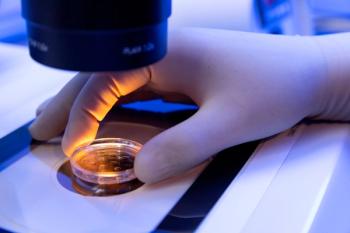
Preclinical testing at The Ohio State University found Telomir-Zn inhibited growth of canine and human osteosarcoma cell lines, prompting the company to explore a possible in-vivo study in dogs with naturally occurring tumors.
The University of California's Joseph Gaydos, VMD, PhD will chair a science panel created to restore Puget Sound, the largest inland sea in the United States.
DAVIS, CALIF. — The University of California's Joseph Gaydos, VMD, PhD will chair a science panel created to restore Puget Sound, the largest inland sea in the United States.
Contamination, overharvesting, habitat conversion and other stressors have caused havoc in the area, causing more than 100 native species to be listed as threatened, endangered or candidates to be listed. The Washington Academy of Sciences hand-picked experts such as Gaydos to serve on the science panel of the Puget Sound Partnership.
"I think more and more people understand that wildlife health, human health and ecosystem health are interconnected," Gaydos says. "We are really talking about the concept of 'one health.' Wildlife and ecosystem health are critical because they also benefit people, and ultimately a healthy ecosystem bolsters the economy."
Gaydos is a senior wildlife veterinarian at the University of California-Davis School of Veterinary Medicine's Wildlife Health Center, where he serves as regional director and chief scientist of the SeaDoc Society, based on Orcas Island, Wash. He has studied marine wildlife and ecosystem health in Puget Sound for more than a decade.