Sea You at Fetch Long Beach
|Articles|April 30, 2012

Think twice before attempting to rescue young wildlife

AVMA encourages people to leave young wildlife alone.

Ah, spring is in the air, and as people head outdoors to enjoy the warmer weather, many will come across young wildlife. Thinking that these adorable, seemingly helpless little creatures have been abandoned, some well-intentioned people may pluck these animals from forest floors and bring them home-you may even be tempted to do so yourself.

Unfortunately, this may actually create a problem where one did not exist. In a podcast, the AVMA explains why it's usually best to leave young wildlife alone, even if it appears to be abandoned.

In AVMA's latest Animal Tracks podcast, Dr. Peregrine Wolff, a veterinarian with the Nevada Department of Wildlife and secretary of the American Association of Wildlife Veterinarians, talks about what to do when encountering young wildlife. Specifically, she addresses the following questions:

  • If I find a young wild animal all alone, what should I do?

  • How do I know if the animal is actually injured or abandoned?

  • What are some of the dangers of trying to raise a young animal on my own?

  • Is it true that if I touch the baby its mother will not come back for it?

  • If I already have the baby animal with me at home, what should I do and who should I contact?

To access the podcast, click here.


Related to this article

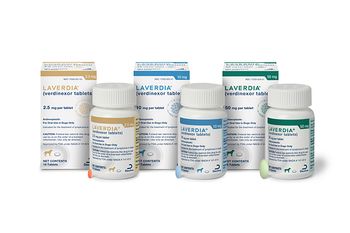
Laverdia now available for purchase for dogs with lymphoma
Verdinexor tablets are now available for dogs with lymphoma after receiving full FDA approval earlier this year, offering an at-home treatment option that is given twice weekly and showed a longer time to disease progression than control in a field study.
Q&A: Caregiver burden can begin early in pet illness. Are veterinary teams equipped to support clients, and how can veterinary social workers help both parties?
Caroline Cox, LSW, MSW, and Erika Krick, VMD, DACVIM (Oncology), discuss the role of veterinary social workers in supporting clients, communicating with veterinary teams, and helping practices address the human side of veterinary care in this Q&A from an interview at the 2026 Fetch National Harbor Veterinary Conference.