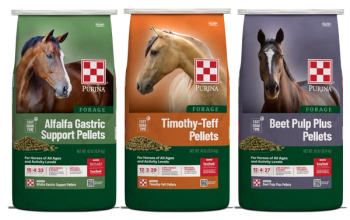
The line targets horses with limited pasture access, chewing difficulties, or specific starch and sugar needs, and can stand in for some or all hay depending on the formula.
The program, planned for 2026, aims to train educators in food animal medicine and encourage more students to enter rural practice.
The Texas Tech University School of Veterinary Medicine is creating its first food animal residency program. The program, backed by a $250,000 grant from the US Department of Agriculture (USDA), aims to address the shortage of veterinarians in rural and agriculture communities, the school said in a news release last week.
“The lack of veterinary coverage in rural regions has far-reaching consequences, from diminished livestock health and welfare to threats against food security and community economic viability,” Jennifer H. Koziol, DVM, MS, DACT, an associate professor of food animal medicine and surgery at Texas Tech who will lead the program, said in the release.1 “The USDA project aligns with national strategic goals of supporting rural prosperity and ensuring a safe, nutritious food supply.”
The school said it plans to launch the program in 2026. The residency will recruit early-career veterinarians for advanced clinical and research training aimed at preparing them to become educators in food animal medicine. Texas Tech said the program is intended to help address a shortage of qualified food animal faculty at veterinary schools, where recruiting and retaining specialists remains a “struggle.” The school called the need for more of these faculty “critical.”
The residency will help educators influence more students to pursue careers in food animal, large animal, or mixed animal practice, thereby decreasing the shortage of practitioners in rural and regional communities that are underserved, according to Texas Tech.
Texas Tech is not the first entity to take action to address the shortage of rural veterinarians. This fall, Wisconsin lawmakers
In the Texas Tech release, Guy Loneragan, BVSc, PhD, dean of the School of Veterinary Medicine, said the university’s new residency program could have an impact beyond Texas. “This residency program is transformative for our school and the cattle industry,” said Loneragan.1 “A capstone professional achievement for the residents in this program is attainment of diplomate status in the American Board of Veterinary Practitioners. This is a national recognition as an elite specialist in all things cattle. The residents will provide leadership to advance livestock health and protect the national interest in US food production. The program led by Dr Koziol tremendously benefits the school, Texas Tech, our state and nation.”
“Graduates of the residency will serve as vital resources in their communities, bringing expertise in antimicrobial stewardship, disease control and One Health leadership,” concluded Texas Tech.1 “By building a sustainable network of food animal veterinarians, Texas Tech’s program seeks to retain professionals in the field and also safeguard the future of America’s agricultural industries.”
References