A small, spotted cat from Bolivia's cloud forests, first kept as a pet by someone who thought it was a house cat, has been confirmed as a species new to science.
Tiffany Tupler, DVM, CBCC-KA, HAB, explains why early, proactive conversations about feline needs can help prevent both behavioral and health issues.
Behavioral intervention in feline medicine often starts reactively. By the time a cat presents with anxiety or stress-related elimination, opportunities for early guidance may already have been missed.
In this video, Tiffany Tupler, DVM, CBCC-KA, HAB, makes the case for proactive behavioral counseling, delivered by credentialed technicians and trained team members who are well positioned to lead these conversations. Before problems arise, she encourages veterinary teams to ask foundational questions: Does this client understand what a cat actually needs? Are key resources in the home—litter boxes, feeding areas, and vertical space—set up appropriately?
Introduced early, these discussions can shape both behavior and health outcomes. Clients who understand normal feline behavior are better equipped to recognize subtle changes, helping bring cats in sooner and potentially reducing the risk of more advanced issues, such as obesity or lower urinary tract disease.
Below is a partial transcript, lightly edited for clarity.
Tupler: Something that I always recommend is talking about the proactive. When we talk in veterinary medicine, we're often already dealing with an animal that has a very severe problem. It could be anxiety, fear, or stress.
Something I truly recommend for veterinarians and specifically their teams—because this is where a credentialed vet tech or someone interested in learning training and modification really shines—is to start talking proactively when these animals come in before they are having behavioral problems. Ask, "Are you setting up appropriate resources and space?" and "Do you have a cat-friendly home?"
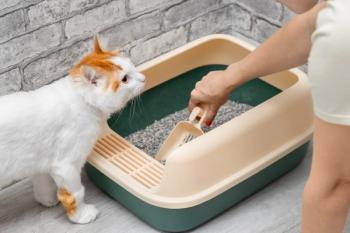
If you have multiple cats in the home, it's not just about adding an extra litter box; it's about the locations of these litter boxes. Where are their food and other resources, like cat trees and beds? We think a lot about the litter box as the resource, but in reality, there are so many things that cats need to have.
Actually being proactive and educating pet parents about how we create a cat-friendly environment is a huge advantage. That is a whole lecture in itself—how we actually build that out and what it looks like. But it gets the pet parent engaged early, before the cat starts having issues. Second, we can actually address problems if we see them. Third, it teaches people what a cat's needs actually are.
Instead of an owner saying, "I think my cat's acting abnormal," this engagement teaches them what is abnormal. We can actually get cats into a clinic faster, rather than waiting until we're already seeing those really serious clinical signs—like severe obesity or even blood in the urine and other indicators for a blockage.