Researchers using the same Dog Aging Project data found substantially lower rates of aggression, fear, and separation-related behavior, but say the true prevalence remains uncertain.
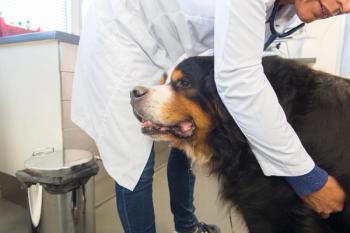
Studies show that about half of surrendered dogs are adolescents, explains Christopher Pachel, DVM, DACVB, CABC (IAABC).
Many caregivers recognize that dogs go through a “teenage” phase, but far fewer understand what that actually means for behavior, learning, and the human–animal bond. In this video, Christopher Pachel, DVM, DACVB, CABC (IAABC), explains how normal
That gap in understanding matters. According to Pachel, data from studies in the US and UK show that about half of dogs surrendered to shelters are adolescents, generally between 6 months and 3 years of age. For veterinary teams, this stage represents a critical window to help clients navigate normal developmental changes, manage expectations, and support the human–animal bond.
Below is a partial transcript, lightly edited for clarity:
Pachel: I think we often—even if a client or a caregiver sort of recognizes that that dog is a teenager—I don't know that they fully understand what that means. And so the frustration that the caregiver is experiencing now starts driving the bus in terms of how they show up in relationship with that animal. And unfortunately, when that frustration leads to corrections or conflict or inconsistencies, we're now often starting to damage that bond that exists between dog and caregiver, which actually leads to one of the statistics that we know: that approximately 50% of dogs that are surrendered are teenagers somewhere between six months and, give or take, about three years of age.
In at least two different studies, both in the US and in the UK, the surrender data is clear. About 50% of those surrendered dogs are teenagers. It's a really hard time to be an animal's caregiver, and so I wish that people understood that better than they do so that we could help them, support them, prepare them, and guide them through that process, versus only looking at it from a puppyhood standpoint and then hoping for the best as those dogs start to mature.