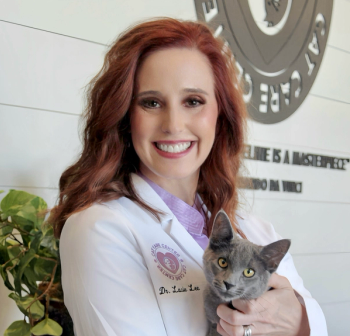
New leadership moves, recognition, and achievement.
In the next three years, every career in the field -- from entry level technician to veterinarian -- may see positions go unfilled
Researchers at the University of Massachusetts are worried that there won't be enough laboratory animal care workers-including veterinarians-in the region in the years to come. Fewer than 2,400 workers specialize in laboratory animal medicine, but in the next year alone Massachusetts expects a turnover rate of 18 percent and a growth rate of 12 percent at biomedical companies needing animal care workers.
A variety of jobs from entry-level animal husbandry technicians to veterinarians specializing in laboratory animal care could go unfilled. "The long-term effect of staffing shortages could be a slowdown in biomedical research in the state," says Dr. Steven Niemi, board chairman of the Massachusetts Society for Medical Research.
Researchers say the life sciences industry in Massachusetts is answering the call as best it can. Companies are offering formal and informal training to acquire and retain their animal care employees, and more than 75 percent pay for society membership fees, certification training programs, and attendance at national and local professional society meetings.