New leadership moves, recognition, and achievement.

A framework for early, clear pet insurance conversations with clients that help reduce financial stress when care decisions arise.
Pet insurance is one of those exam room topics that can instantly suck the air out of the room. If done poorly, it can sound like a misplaced sales pitch. If it’s done well, it can provide helpful planning that protects clinical decision-making when emotions and budgets collide. The challenge is that these discussions often surface during an emergency, after a diagnosis, or when a treatment plan is already on the table. That timing forces clients to process complex financial concepts while they’re emotional, and it forces the veterinary team to balance empathy with practicality.
A more effective approach is to normalize insurance as preventive communication: a brief, ethical, low-pressure conversation early in the relationship, when the pet is well, and options still feel open.
Early conversations tend to be more productive because they’re not tied to a single high-stakes decision. When pets are young and healthy, clients can compare plans thoughtfully, and there’s less confusion about what counts as “preexisting.” In practice, even a 30-second script at a new-patient visit can prevent hours of distress later.
“Before anything urgent ever happens, I want you to know we’ll always talk through options and costs. Some families use pet insurance to make those moments less limiting. If you are interested, we can refer you to a licensed professional who can help you compare plans.”
This keeps the clinician on the client’s side—not “selling” a product—while helping pet parents understand their options.
Most misunderstandings come from 3 concepts: preexisting conditions, deductibles, and reimbursement.
You can also help your pet parents ask the right questions by giving them a checklist of things to ask their potential insurer, such as: What’s the deductible? What’s the reimbursement rate? Annual vs per-condition deductible? Waiting periods? Coverage caps? What’s excluded as preexisting?
Insurance does not guarantee approval, and it does not remove the need for budget conversations. However, it can reduce the frequency of cost-driven constraints that limit diagnostics and treatment plans. That’s the ethical heart of the topic: The goal is not “more care,” it’s “care decisions made for medical reasons, not financial panic.”
A useful phrase is: “Insurance can expand options, but it doesn’t eliminate choices. We’ll still prioritize what matters most medically and financially.”
Personal examples can be powerful when presented as experiences rather than universal truths.
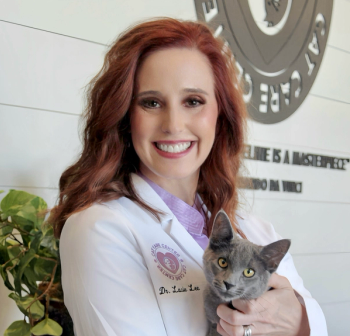
I have pet insurance for my own dog. When she needed unexpected orthopedic surgery, the bill would have been about $4000. For most households, that’s significant. My CarePlus by Chewy pet insurance helped reimburse a large portion of the cost and reinforced why planning ahead matters. I share this example with clients as a “for instance,” and I maintain that the right pet insurance may be different for each household. I use it as a launchpad for conversation about their priorities and refer them to a licensed representative for further information.
A 2025 survey conducted by Chewy suggests veterinarians remain among the most trusted sources for pet insurance guidance, even as pet parents increasingly do their own research online. That trust is reinforced in the “how”: neutral, proactive conversations grounded in patient advocacy and clear expectations. When handled well, these discussions strengthen the veterinarian-client relationship and support more collaborative, medically driven decision-making over a pet’s lifetime.