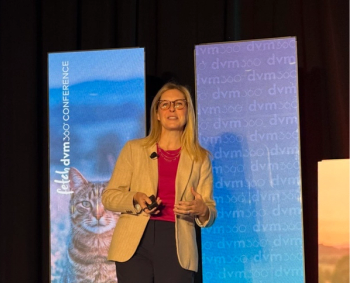
In this pre-Fetch dvm360 conference interview, Karen Kline, DVM, MS, DACVIM (Neurology), talked about her lecture “Neurologic Emergencies: Stay Calm, Cool and Collected,” presented at the Fetch dvm360 conference in Long Beach, California. Additionally, she shares key considerations veterinarians should keep in mind when handling neurologic emergencies, including beginning with basic blood work and avoiding assumptions.
RELATED CONTENT: Anticonvulsants for cats and dogs
Below is the interview transcript. It has been lightly edited for clarity.
Karen Kline, DVM, MS, DACVIM (Neurology): Yeah, “Neurologic emergencies,” the point of this lecture is to talk about mainly acute brain trauma and other diseases that will cause an acute presentation in the dog and cat. The reason we want to stay calm, cool is and collected is to do the best by your patient.
I think the most important thing is assume nothing. You want to start with basic blood work, making sure that your patient doesn't have an underlying systemic illness that's a cause of the neurologic issue, and then going ahead and doing your neurologic exam to localize where the problem is, and then instituting various therapies that we'll talk about in our lecture. But it's important to stay on point and delegate your staff and the team to handle this emergent case that comes in. And not all cases that look bad turn out poorly. So, I think that's the most important thing to realize as well—when bad cases turn good, so I think that's very important as well.