Christopher Lee, DVM, MPH, DACVPM, DACVM (Parasitology), discusses the clinical significance of Toxoplasma gondii, when veterinary professionals should consider testing, and how to communicate the risks of exposure to clients.
The first survey of parasite control on bison ranches shows most herds are dewormed on a schedule, with little testing to see whether they need it. Researchers say the habit could make resistance harder to manage.
Alyssa Mages, BS, CVT, FVTE, outlines key considerations for veterinary technicians during triage, from rapid patient assessment and prioritization to client communication and team coordination, in this interview from the 2026 Fetch National Harbor Veterinary Conference.
In a session at the 2026 Fetch National Harbor Veterinary Conference, Nathanael Oster, VMD, MBA, walked attendees through the biology, diagnosis, and treatment of the flea tapeworm in dogs and cats, including why cats are affected more often than dogs.
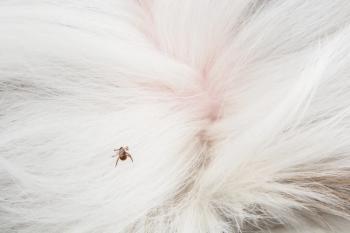
New CDC and climate data show tick exposure and pollen seasons are both stretching well beyond their traditional windows, a trend animal health company Elanco says is also increasing demand for veterinary care.
Caitlyn Getty, DVM, PhD, DACVIM (Nutrition), explains how synergistic prebiotic fiber blends outperform single supplements in supporting fermentation, postbiotics, and gut health.
Valli Parthasarathy, DVM, PhD, DACVB, discusses how veterinarians can evaluate feather loss, self-mutilation, and vocalization in pet parrots and identify when medical and behavioral factors may overlap.