A conversation on how adjusting body positioning and building physical strength can help veterinary professionals manage the physical demands of patient care and reduce injury risk.
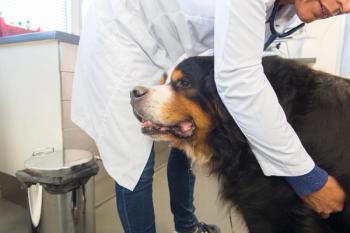
Aaron Shaw, OTR/L, CHT, CSCS, and Jennifer Edwards, DVM, PCC, CPC, ELI-MP, examine why veterinary work can take such a physical toll and what professionals can do to build strength, reduce injury risk, and stay in the profession longer.
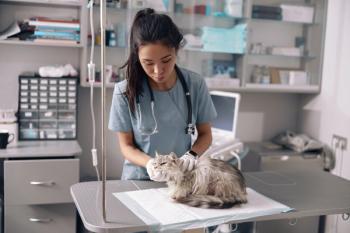
In a voluntary dvm360 survey of 146 veterinary professionals, nearly 3 in 4 reported moderate or severe burnout, with administrative burden, workload, and staffing shortages among the most frequently cited stressors. Written responses raised concerns about compensation, client behavior, and revenue-driven appointment quotas.
Veterinary professionals face elevated suicide risk, influenced by both workplace pressures and personal challenges. This article explores how individuals and veterinary workplaces can strengthen protective factors, foster supportive environments, and improve access to mental health resources.
Housing costs and surprise bills are squeezing pet owners, but in a recent survey, relatively few consumers said they would cut back on veterinary care.
Adam Christman, DVM, MBA, returns as host for season 3, featuring a roundup of recent veterinary news and an appearance by guest Steve Mehler, DVM, DACVS.
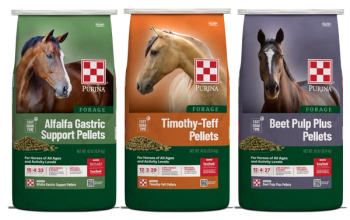
The line targets horses with limited pasture access, chewing difficulties, or specific starch and sugar needs, and can stand in for some or all hay depending on the formula.