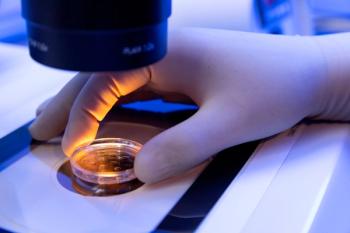
Preclinical testing at The Ohio State University found Telomir-Zn inhibited growth of canine and human osteosarcoma cell lines, prompting the company to explore a possible in-vivo study in dogs with naturally occurring tumors.
Insight into the prognosis of these serious wounds.
Untitled Document
“Formulating a prognosis for large, necrotizing wounds in dogs or cats requires considering multiple factors, including the animal’s physical condition, the severity and extent of the wound, and the client’s commitment to pursuing treatment. Any treatment that facilitates regeneration of healthy tissue and improves wound healing may turn a patient presented for euthanasia into one that has a reasonable chance of recovery.”
-Joanne Maki, DVM, PhD; Mark Mosher, DVM; and Thomas Nemetz, DVM, PhD
From