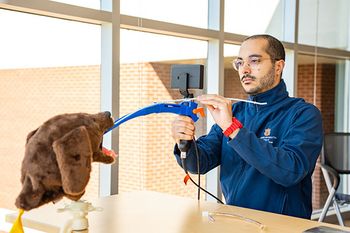
In this dvm360® interview at the Fetch Coastal Conference in Atlantic City, New Jersey, Karen Roach, RVT, VTS (ECC), discusses various pain scoring scales for dogs and cats that are validated. She then shares how using these tools can help improve patient outcomes.
The following is a transcript of the video.
Karen Roach, RVT, VTS (ECC): There are several [pain scoring scales] to choose from. And, the ones I like to see used are the ones that are actually validated. So, like the Glasgow Composite Pain Scale because that has one for cats and dogs, the Feline Grimace Scale is also validated and that one is very, very helpful because cats are different, and they can be a little harder to read. So, that grimace scale is actually a really, really great one.
There's another one that's specifically for cats as well called the UNESP-Botucatu Multidimensional Pain Scale. Say that 3 times fast. That one and the Glasgow composite one have the Grimace Scale incorporated into them as well. So, that one is a really good one. And that's just for acute pain. There's chronic pain scales out there too, but we don't need to get into all of them.
[Pain scoring scales are important] because the more we can assess and recognize pain, and then actually treat it. That's the first step towards actually treating the pain is recognizing it and assessing it. So, having an actual scoring system for everyone in the hospital to use, that's just going to lead to better patient care all around.