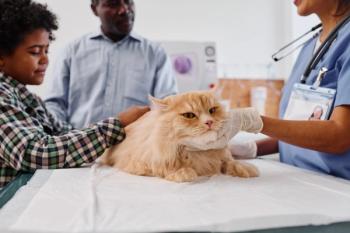
Fifteen second-year veterinary students will each receive $20,000, along with mentorship and leadership training that continues after graduation.
Date: June 05 - June 07, 2015
Description:
This course addresses current and newer techniques/innovative concepts of maxillofacial trauma and fracture repair – utilizing both techniques that are “dental friendly”
(oral techniques) and orthopedic
methods with their emphasis on bone repair. The goal of this course is to provide enhanced background training involving dental structures, the physiology associated with dental structures and their role in aiding or impeding fracture fixation and similarly, the advantages/disadvantages of the orthopedic repairs and effects on fracture healing. The indications and methods of each of these differing approaches are complimentary and not mutually exclusive, where selection and successful execution are intertwined.
The basis of technique selection plays an important role in minimizing complications and future morbidity, emphasizing the long-term implications to the dental structures and bone associated with injury and/or fixation. Reconstruction techniques in instances of severe trauma (highly comminuted fractures and/or gaps) and oncologic reconstruction also will be addressed.
The long-term goals of
the course are to provide the attendees with a knowledge base to critically evaluate different fixation techniques and build confidence and experience with the various methods of fixation. Advanced fixation techniques will also be taught.
This course will be submitted to RACE for approval.
Event type: CE
Event Address: Renaissance Las Vegas and Oquendo Center
Sponsor: AOVET North America
For More Information:,AOVET North America
610-695-2459 , customerservice@aona.org