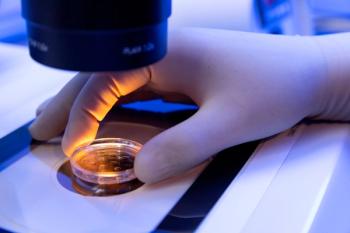
Preclinical testing at The Ohio State University found Telomir-Zn inhibited growth of canine and human osteosarcoma cell lines, prompting the company to explore a possible in-vivo study in dogs with naturally occurring tumors.
At Carver Lake Veterinary Center in Woodbury, Minn., doctors and team members feel that learning the names of clients and pets helps them provide better service, but remembering all those names isn't easy.
At Carver Lake Veterinary Center in Woodbury, Minn., doctors and team members feel that learning the names of clients and pets helps them provide better service, but remembering all those names isn't easy. "So we periodically play 'Name that client' or 'Name that pet' at our staff meetings," says Julie Rowan, practice manager. Each employee turns in a list of special clients and their pets. "Then I create a worksheet with the names of the clients and leave a blank for the pets' names and the names of the team members who chose the clients," she says. "Each team member has 10 minutes to complete the exercise."
When time's up, each employee tells the group which clients they picked, the names of their pets, and why those clients are special to them. "This approach helps us to associate the clients' names with their pets and to identify those special clients," says Rowan. "Team members enjoy the game, and it helps them remember names."