Pyometra is a common and serious illness in adult intact dogs and cats. Because a patient experiencing pyometra may deteriorate rapidly, this condition requires emergency intervention.
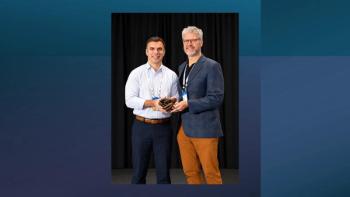
Boaz Man, DVM, explains how improved education and smart laser technology are helping veterinarians be more proactive, simplify equipment settings, and broaden safe use of laser surgery.
Boaz Man, DVM, is a clinician and educator who has helped advance laser surgery in veterinary practice. He says the field has made important strides in research and awareness for brachycephalic obstructive airway system, and that education is shifting clinicians from reactive care to earlier, proactive interventions. Man highlights how modern "smart" lasers that recommend procedure-specific settings, making adoption easier for general practitioners
Related:
Boaz Man, DVM: There is still progress to be made, although there are many more studies and much greater awareness than before. We all have a responsibility to keep educating, and many excellent veterinarians are doing that work. Every breed has its own problems, and our job is to make sure pet parents understand what they are signing up for, what issues they may face, and what solutions exist. Our education and knowledge are improving, and it takes time for those changes to take hold. There has been a clear shift toward being proactive rather than reactive, and that affects how we interact with these pets from an early age.
One concern among general practice veterinarians has been how to set their equipment. Different procedures require different settings, and historically that was a big unknown for many clinicians. The good news is that the latest laser surgical equipment is here, and it is smart. Modern lasers help guide settings for specific procedures, which is a game changer for veterinarians who do not have years of laser experience. The technology now assists surgeons by recommending settings for the procedure you want to perform.