Sea You at Fetch Long Beach
|Videos|July 27, 2022

How local anesthetics help reduce postoperative pain

Author(s)dvm360 Staff

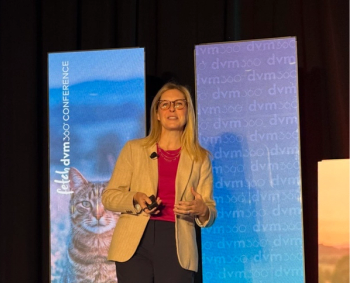
Tamara Grubb, DVM, PhD, DACVAA, shares why she believes local anesthesia is an easy, cost-effective method of pain management

In an interview with dvm360®, Tamara Grubb, DVM, PhD, DACVAA, explains why associates shouldn't be afraid to incorpoate local anesthetic blocks. In an article for the July 2022 issue dvm360®, Grubb shared local analgesic techniques for gonadectomy. A companion article will follow shortly.

A partial transcript of the interview is below. View the video for more of the discussion.

Tamara Grubb, DVM, PhD, DACVAA: Pain management intraoperatively impacts the level of pain postoperatively. And back to the local anesthetics, when we use them intraoperatively, not only does that decrease the pain—or some people call it technically nociception during anesthesia—but the block lasts into recovery. So, they have a much smoother recovery.


Register for our Fetch dvm360® Conference in Kansas City conference from August 26-28 here.


Related to this article

Q&A: Caregiver burden can begin early in pet illness. Are veterinary teams equipped to support clients, and how can veterinary social workers help both parties?
Caroline Cox, LSW, MSW, and Erika Krick, VMD, DACVIM (Oncology), discuss the role of veterinary social workers in supporting clients, communicating with veterinary teams, and helping practices address the human side of veterinary care in this Q&A from an interview at the 2026 Fetch National Harbor Veterinary Conference.
Inside veterinary social work
In a slideshow drawn from an on-site dvm360 interview at the 2026 Fetch National Harbor Veterinary Conference, a veterinary oncologist and a veterinary social worker walk through how the role supports owners and staff across a pet's cancer diagnosis, treatment, and end-of-life care.