Sea You at Fetch Long Beach
|Articles|November 11, 2021

Fine needle aspiration techniques

In a recent dvm360® interview, Jenny Fisher, RVT, VTS, explains 2 common techniques when performing fine needle aspirations and when each is appropriate to use.

At the New York Vet show in New York, New York, Jenny Fisher, RVT, VTS, offered insight on the 2 most common methods for fine needle aspirations (FNAs)—the woodpecker and the plunger technique—including when it is best to use each approach.

View the video below for the entire discussion. The following is a partial transcript:

Jenny Fisher, RVT, VTS: The 2 most common techniques for FNAs or needle biopsies [they are the] same things just different terms are the woodpecker which is the needle without the syringe where we do the poke, poke, poke, spin, spin, spin and then the plunger technique which is a needle attached to the syringe which is going to add some negative pressure and some suction. We’re typically going to use those for tumors that we think are mesenchymal in origin and just kind of as a rule of thumb if the mass is more soft or fluctuant we tend to want to woodpecker that.


Related to this article

Q&A: Caregiver burden can begin early in pet illness. Are veterinary teams equipped to support clients, and how can veterinary social workers help both parties?
Caroline Cox, LSW, MSW, and Erika Krick, VMD, DACVIM (Oncology), discuss the role of veterinary social workers in supporting clients, communicating with veterinary teams, and helping practices address the human side of veterinary care in this Q&A from an interview at the 2026 Fetch National Harbor Veterinary Conference.
Laverdia now available for purchase for dogs with lymphoma
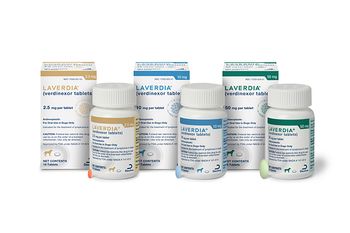
Verdinexor tablets are now available for dogs with lymphoma after receiving full FDA approval earlier this year, offering an at-home treatment option given twice weekly and showing a longer time to disease progression than the control in a field study.