Sea You at Fetch Long Beach
News|Videos|January 3, 2019

Firstline

  • Firstline March/April 2019
  • Volume 15
  • Issue 2

Fear Free and older pets

Make the veterinary visit so great for these patients that 'the dog will drag the pet owner through the front door' the next time.

When it comes to treating older pets in the veterinary clinic, Fetch dvm360 conference speaker and Fear Free champion Marty Becker, DVM, says there is a problem: You just don't see these patients in great numbers. For a variety of reasons, pet owners think it's simply "old age" keeping pets from behaving the way they used to.

But Dr. Becker says these pets need to visit the vet-and the Fear Free is the way to go.

"We need to make it to where people know that they need to come in and that it's going to be something that is not stressful for this pet," he says.

Alright, how then? Dr. Becker says for one thing, it comes down to currency. And to a dog that can only mean food.

All things Fear Free:

"You have to have exceptional food treats," he says "especially for a dog whose senses may be dulled, like an older dog."

He suggests having high-value treats at the ready: Deli turkey, Braunschweiger and liver treats are examples that will win you a friend for life.

Dr. Becker says another option is a "chill pill." A neutraceutical may be just the right thing for stressed out patients.

Last, he says not to forget about sedation.

"A little trazodone for an anxious pet goes a long way into making it a friendly, Fear Free visit for both the pet and the pet owner," Dr. Becker says.

Watch the video for more.

You. Can. Do. This!

At Fetch dvm360 conference, we're the support system you need. With every conference this year, we intend to nurture your mind (meaning quality CE for days) while also encouraging you to take stock of your physical and emotional health. Register now.


Related to this article

Q&A: Caregiver burden can begin early in pet illness. Are veterinary teams equipped to support clients, and how can veterinary social workers help both parties?
Caroline Cox, LSW, MSW, and Erika Krick, VMD, DACVIM (Oncology), discuss the role of veterinary social workers in supporting clients, communicating with veterinary teams, and helping practices address the human side of veterinary care in this Q&A from an interview at the 2026 Fetch National Harbor Veterinary Conference.
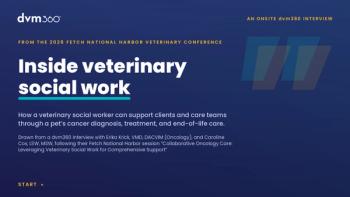
Inside veterinary social work
In a slideshow drawn from an on-site dvm360 interview at the 2026 Fetch National Harbor Veterinary Conference, a veterinary oncologist and a veterinary social worker walk through how the role supports owners and staff across a pet's cancer diagnosis, treatment, and end-of-life care.