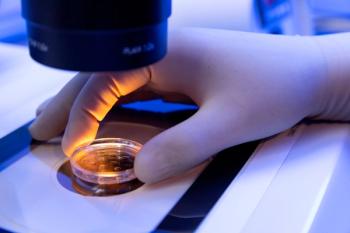
Preclinical testing at The Ohio State University found Telomir-Zn inhibited growth of canine and human osteosarcoma cell lines, prompting the company to explore a possible in-vivo study in dogs with naturally occurring tumors.
Date: May 10 - May 11, 2019
Description:
Equine practitioners are regularly exposed to various and sometimes contradicting opinions on farriery and especially on therapeutic shoeing. The fact that new graduates go into practice with minimal training in farriery and shoeing only exacerbates the problem and leaves practitioners grappling with this contentious subject. In the mornings the following topics will be covered by the specialists through highly-illustrated lectures and there will be plenty of time available to ask questions and for debates: Functional Anatomy & Physiology of the Foot Biomechanics of the Equine Foot How it is altered by trimming & wear Does the Normal Foot Exist? Conformation, Balance, Footfall & GaitExamination of the foot A veterinarians & A farriers approach Anatomy & Physiology of a Horse ShoePrinciples of Trimming & Shoeing Effect of Shoes on normal Foot FunctionThe Use of CompositesFoot & Pastern Injuries (incl. P3 Fractures) Tackling specific problemsIn the afternoons, 7 hours of practical sessions will give attendees plenty of opportunity to put theory into practice on live horses and limb specimens in small groups (2 vets per specimen) and to discuss all aspects of foot trimming, shoeing and farriery with the specialists. Each attendee will be rotating through the following practical stations:Foot Examination on live horsesFoot Preparation TechniquesShoeing TechniquesApplying Wooden ShoesQuarter Crack RepairApplication of a Foot Cast
Event Address: Pilchuck Veterinary Hospital 11308 92nd St SE, Snohomish, WA, United States
For More Information:Robin Johnson,VetPD
PO Box 951832 ,Lake Mary ,FL ,United States
1-844-870-6097 , [email protected], vetpd.com