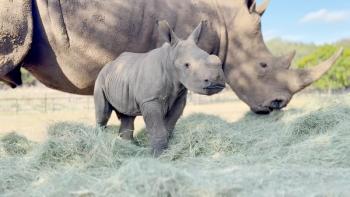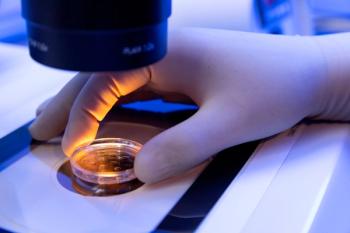
Preclinical testing at The Ohio State University found Telomir-Zn inhibited growth of canine and human osteosarcoma cell lines, prompting the company to explore a possible in-vivo study in dogs with naturally occurring tumors.
Date: September 28 - September 29, 2018
Description:
This two-day practical course has been developed for equine veterinarians who have experience with lameness investigations and provides a critical overview of possible causes of hindlimb lameness, diagnostic anaesthetic strategies and how to interpret nerve and joint block results, via a regio-anatomic approach. Discussions on the upper hindlimb as a cause of lameness (hip joint, pelvic and sacroiliac problems), objective gait analysis and on systemic and intra-articular joint therapies will round the course off. In the afternoons, 7 hours of practical and case-based sessions will give attendees plenty of opportunity to put theory into practice on live horses and limb specimens in small groups (2 4 people per ultrasound machine) and to discuss all aspects of Hindlimb Lameness diagnostics and therapeutics with the specialists. Each attendee will be rotating through the following practical stations: Subjective lameness examination; Objective gait analysis (Equinosis Q Lameness Locator); Nerve & joint blocks (incl. ultrasound-guidance) ; Ultrasound of the metatarsus, tarsus or stifle joint (region chosen by each group individually); 2 hours of clinical cases evaluated via subjective and objective gait analysis.
Event type: Course
Event Address: Halton Equine Veterinary Services42 Concession Rd 14 E, Puslinch ON , Ontario, Canada
Sponsor: VetPD - Veterinary Professional Development
For More Information:Petra Pellew,VetPD - Veterinary Professional Development
PO Box 951832 ,Lake Mary ,Florida ,32795 ,United States
18448706097, [email protected], www.vetpd.com