Christopher Lee, DVM, explains Toxoplasma gondii facts: why most indoor cats rarely shed, plus pregnancy-safe litter tips for cat health
A genetically modified form of Bermuda grass known as Tifton 85 seems to be the cause of death for a herd of Corriente cattle in central Texas.
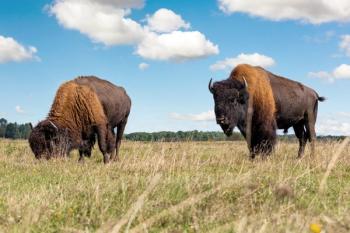
A genetically modified form of Bermuda grass known as Tifton 85 seems to be the cause of death for a herd of Corriente cattle in central Texas, according to preliminary test results. A federal investigation is now looking into the grass on Jerry Abel’s 80-acre ranch in Elgin, Texas, where he’s used the field for cattle grazing and hay for 15 years.
In early June, the cattle were turned out into the pasture to graze. Soon the cattle began to bellow. Within hours, 15 of the 18 cattle were dead. Gary Warner, DVM, an Elgin veterinarian who specializes in cattle, conducted the 15 necropsies.
Preliminary tests revealed that the Tifton 85 grass suddenly started producing cyanide gas, poisoning the cattle. Scientists at the U.S. Department of Agriculture are now trying to determine why. Although no other cattle have died, other farmers have found that their fields are also toxic with cyanide.