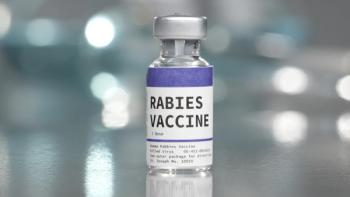
Following World Rabies Day and a CDC health advisory about a 17% rise in exposure-related calls, an expert explains what the increase means, what people should do after an animal bite or scratch, and how clinicians should assess risk and administer PEP.
Although human rabies cases remain rare, reported exposures have gone up. A longtime public health microbiologist explains what's driving the increase and how veterinarians can help clients respond.
A study of 100 cat food products from 62 brands found heavy metals, an herbicide, and plastic-related chemicals across the products, with higher mercury levels in fish-based foods and higher lead levels in dry foods.
The live, engineered probiotic product is aimed at reducing deaths from a costly intestinal disease in broiler chickens and gives producers an option beyond antibiotics.
A new study found 83.7% of veterinary professionals now use artificial intelligence, with practices that have a clear strategy, governance, and redesigned workflows reporting the highest boost in business outcomes.
Researchers using the same Dog Aging Project data found substantially lower rates of aggression, fear, and separation-related behavior, but say the true prevalence remains uncertain.