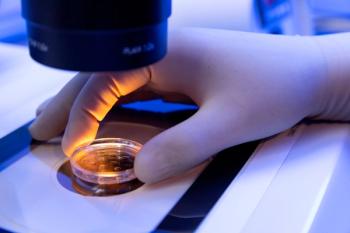
Preclinical testing at The Ohio State University found Telomir-Zn inhibited growth of canine and human osteosarcoma cell lines, prompting the company to explore a possible in-vivo study in dogs with naturally occurring tumors.
Joplin, Mo. -- The Humane Society of Missouri is deploying a 15-person animal disaster response team after a multi-vortex tornado, packing some 190 mph winds, plowed through the city killing some 116 of its 50,000 residents.
Joplin, Mo. --
The Humane Society of Missouri is deploying a 15-person animal disaster response team after a multi-vortex tornado, packing some 190 mph winds, plowed through the city killing some 116 of its 50,000 residents. More relief is on its way, officials say.
In fact, Missouri's Governor Jay Nixon declared a state of emergency following the deadly Sunday storms.
The animal disaster response team, deployed at the request of the Missouri State Emergency Management Agency, will conduct a search and rescue operation for displaced pets and set up an animal shelter on the campus of Missouri Southern State University (MSSU) in conjunction with Joplin Animal Control. There is at least one veterinarian on this response team, the group reports.
In addition, officials are setting up a separate emergency shelter with the capacity to care for several hundred pets if the need arises.
There are seven or more veterinary practices in the Joplin area. While the storm knocked out most of the communication to the practices contacted by
DVM Newsmagazine
today, one veterinarian reports the initial recovery has been focused on helping the human victims of the tornado first.
Residents of the city reportedly only had 17 minutes or less to prepare for the tornado.
"These storms have caused extensive damage across Missouri, and they continue to pose significant risk to lives and property," says Missouri Governor Jay Nixon.
As part of the response effort, Nixon deployed Missouri's National Guard and at least one of Missouri's Disaster Medical Assistance Teams.
Check dvm360.com frequently for the most up-to-date coverage of veterinary news.