Sea You at Fetch Long Beach
|Videos|November 24, 2021

Orthopedic ailments affecting young and old pets

Kansas City

In an interview with dvm360®, Dr David Dycus detailed orthopedic conditions to bear in mind that are often found in young and old companion animals alike.

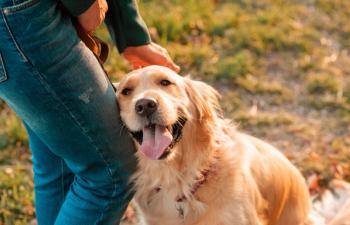
During an interview at the Fetch dvm360® Kansas City conference, David Dycus, DVM, MS, CCRP, DACVS-SA, outlined ailments that commonly affect younger and older pets, plus revealed which breeds are often predisposed to these conditions.

View the video below for the entire discussion. The following is a partial transcript:

David Dycus, DVM, MS, CCRP, DACVS-SA: In the younger dogs, we want to be thinking along the lines of our developmental orthopedic disease, so breeds that we can see heightened evidence of hip dysplasia for example...another big one is developmental elbow disease....but then as animals get older, we also start to think about other ailments such as osteoarthritis..we also see plenty of [older] dogs that will tear their cranial cruciate ligament, we also see a number of orthopedic soft tissue injuries.


Related to this article

Q&A: Caregiver burden can begin early in pet illness. Are veterinary teams equipped to support clients, and how can veterinary social workers help both parties?
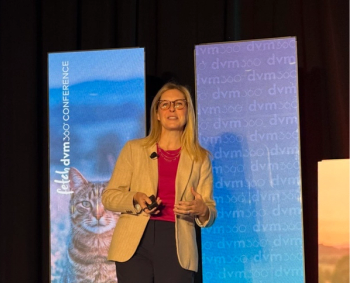
Caroline Cox, LSW, MSW, and Erika Krick, VMD, DACVIM (Oncology), discuss the role of veterinary social workers in supporting clients, communicating with veterinary teams, and helping practices address the human side of veterinary care in this Q&A from an interview at the 2026 Fetch National Harbor Veterinary Conference.
Inside veterinary social work
In a slideshow drawn from an on-site dvm360 interview at the 2026 Fetch National Harbor Veterinary Conference, a veterinary oncologist and a veterinary social worker walk through how the role supports owners and staff across a pet's cancer diagnosis, treatment, and end-of-life care.
Photo: Stock Footage, Inc./Adobe Stock
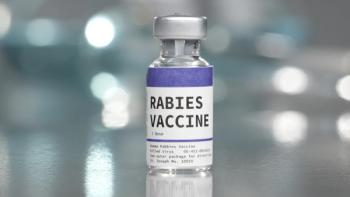
Following World Rabies Day and a CDC health advisory on a 17% rise in exposure-related calls, Rodney E. Rohde, PhD, explains what the increase means, what people should do when they have an animal bite or scratch, and how clinicians should assess risk and administer post-exposure prophylaxis (PEP).