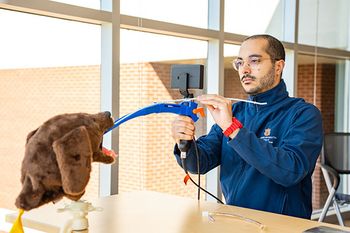
In a session at the 2026 Fetch National Harbor conference, Nathanael Oster, VMD, MBA, walked attendees through the biology, diagnosis, and treatment of the flea tapeworm in dogs and cats, including why cats are affected more often than dogs.
In the letter "Our profession's identity crisis" in the January 2009 issue of Veterinary Medicine, Dr. Drew L. Allen writes, "As I look for direction for my practice, should I be looking to the Mayo Clinic or Wal-Mart?"
In the letter "Our profession's identity crisis" in the January 2009 issue of Veterinary Medicine, Dr. Drew L. Allen writes, "As I look for direction for my practice, should I be looking to the Mayo Clinic or Wal-Mart?" He goes on to say, "Do you want to be a member of the medical community...or are you content to be in after-hours retail sales?"
Dr. Allen is not the first, nor I suspect the last, veterinarian to criticize veterinarians who choose to offer services other than medical and surgical services. I would like to point out to Dr. Allen that many veterinarians have business interests other than veterinary medicine. Many dabble in real estate, own restaurants, or have consulting firms. Just because some veterinarians choose to offer ancillary services under the same roof as their medical and surgical services does not make them any less talented or credible.
I have no problem with Dr. Allen's offering only medical and surgical services from 8 a.m. to 6 p.m. Monday through Friday. Likewise, he should have no problem if a veterinarian chooses to offer medical and surgical services 24 hours a day, seven days a week along with boarding, grooming, training, and daycare.
Offer what you are comfortable with and what your client base wants. We all make different choices in life. My offering boarding and grooming at my hospital does not mean that I cannot manage a diabetic cat or fix a dog's anterior cruciate ligament.
Dr. Rick Beldegreen
Stoney Creek Animal Hospital
Charlotte, N.C.