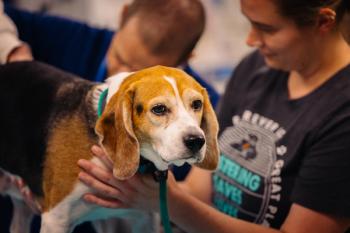
Housing costs and surprise bills are squeezing pet owners, but in a recent survey, relatively few consumers said they would cut back on veterinary care.
Rehabilitation specialist Kara Amstutz, DVM, DACVSMR (Canine), CVA, CVPP, CCRT, shares practical strategies for catching mobility issues early.
This content is sponsored by Virbac.
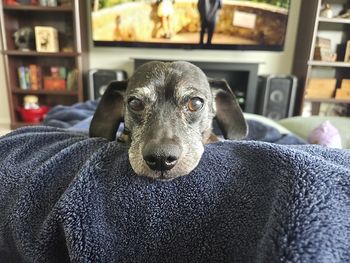
Every veterinary professional has seen it: the senior dog who hesitates at the stairs, the once-athletic cat who no longer leaps to the kitchen counter. Mobility decline in aging pets is among the most common and overlooked challenges in practice. And by the time pet owners notice the signs, the problem is often well underway.
In a recent episode of The Vet Blast Podcast presented by dvm360®, Kara Amstutz, DVM, DACVSMR (Canine), CVA, CVPP, CCRT, director of clinical education at the Canine Rehabilitation Institute and owner of a small animal rehabilitation, pain, and mobility specialty practice, made the case for why it’s time to rethink how we approach mobility care.
“Movement is directly correlated with the patient’s quality of life and the duration of their life,” said Amstutz. “If the patient can’t get up and go outside or get to its food, that’s going to really affect how it goes about its days.”
One of the most actionable takeaways from the conversation is that many pet owners don’t recognize mobility issues when they develop gradually. Rather than simply asking, “Is your dog limping?” Amstutz recommends asking more specific questions.
“Is your pet having trouble doing something they could do 6 months ago—like getting up from lying down, climbing stairs, or jumping in the car?”
She also encourages veterinary teams to slow down and observe patients’ movements in the exam room—watching for postural shifts, weight bearing, and transitions from sit to stand. Validated tools like the Canine Brief Pain Inventory (CBPI) and the DISHAA checklist for cognitive changes can help structure these conversations, while home videos from pet owners provide invaluable insight into movement outside the clinic.1,2
Beyond the joints, Amstutz highlighted an issue that often flies under the radar—sarcopenia, or age-related loss of muscle mass. As pets age, their ability to build and maintain muscle diminishes. Because many older pets are also overweight, muscle loss can be masked by fat replacement, making it easy to miss on visual assessment alone.
The consequences extend far beyond decreased strength. Muscle loss is linked to weakened immune function, metabolic alterations, reduced cognition, and increased frailty—setting off a domino effect that accelerates decline.3,8 “We look at the dog’s body size and think everything’s fine,” said Amstutz. “But what’s really happened is the dog has lost muscle and fat has taken its place.”
When it comes to keeping pets moving, Amstutz emphasized that there is no single magic bullet. A mobility issue in an aging pet is inherently complex, and the solution needs to match that complexity.
“We need to educate our clients that we have to look at this from multiple angles,” she explained. “It’s not just one special diet or one supplement. It’s a combination of things.”
The pillars she outlined include pain management as a starting point, followed by nutritional support—particularly adequate protein and calorie control—appropriate low-to-moderate-intensity exercise, environmental modifications like ramps and nonslip surfaces, and targeted supplementation for both joints and muscles. For joint support, Amstutz suggested MOVOFLEX® Advanced Soft Chews, a multi-ingredient supplement featuring BiovaFlex® Eggshell Membrane, omega-3-rich krill, Boswellia serrata, hyaluronic acid, and vitamin D—with many dogs showing improvement in as little as 7 days.4 She noted that the product’s bioavailable hyaluronic acid, produced through a special fermentation process, and its NASC Quality Seal give her confidence in what she’s recommending to clients. For muscle support, she pointed to URSOLYX™ Soft Chews—the first supplement to target skeletal muscle mRNA expression with ursolic acid. A published canine study demonstrated that ursolic acid suppressed pro-atrophy mRNA sequences, with 100% of dogs showing improved exercise participation and 78% completing tasks faster.5 Now available for cats as well, a nationwide trial showed 82% of cats experienced improved mobility by day 60.6
“Joint support and muscle support aren’t competing priorities—they’re complementary,” Amstutz said. “If you’re just controlling inflammation in the joint but not improving muscle strength, you’re missing half of the picture.”
A striking takeaway from the episode is that osteoarthritis develops in 40% of dogs under the age of 4, validating that mobility health is a topic that should be talked about proactively, not when a pet is already struggling.7
For the full conversation—which includes practical tips on feline mobility care, screening frameworks, and how to build mobility conversations into every visit—listen to Amstutz’s
References
©2026 Virbac Corporation. All rights reserved. C.E.T., MOVOFLEX, URSOLYX, VEGGIEDENT, and VETERINARY HPM are registered trademarks of the Virbac Group of Companies. 06/26