Sea You at Fetch Long Beach
News|Videos|March 16, 2024

How zoo medicine is a lot like small- and large-animal practice

Downtown Charlotte, NC

Jb Minter, DVM, MS, DACZM, explains how zoo animals have a lot of anatomical similarities to small and large animals

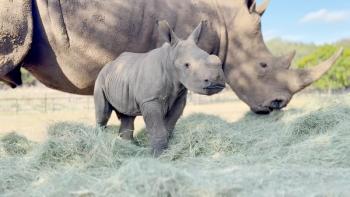
Jb Minter, DVM, MS, DACZM, director of Animal Health at the North Carolina Zoo, told dvm360 in an interview, about the similar principles veterinary professionals can apply to zoological medicine. Equine medicine can be a very similar medicine for a rhinoceros and feline medicine can be similar for a lion or tiger.

Below is a partial transcript.

Jb Minter, DVM, MS, DACZM: The word zoological medicine scares a lot of veterinarians because they say, 'Well, I don't know anything about any of those animals.' And I would turn that on its head and say, 'Yes, you do. You know a lot more than what you think you do.' There are some intricacies and nuances that you may not know, but myself and a small- and large-animal [practice], and we have the same foundational veterinary knowledge, those are the same tools that I'm utilizing.

That's the great thing about veterinary medicines, we all have a very, very broad understanding of anatomy, physiology, pathology, [and] how to use those disciplines to diagnose and treat health issues in the animals that we treat.



Related to this article

Q&A: Caregiver burden can begin early in pet illness. Are veterinary teams equipped to support clients, and how can veterinary social workers help both parties?
Caroline Cox, LSW, MSW, and Erika Krick, VMD, DACVIM (Oncology), discuss the role of veterinary social workers in supporting clients, communicating with veterinary teams, and helping practices address the human side of veterinary care in this Q&A from an interview at the 2026 Fetch National Harbor Veterinary Conference.
Inside veterinary social work
In a slideshow drawn from an on-site dvm360 interview at the 2026 Fetch National Harbor Veterinary Conference, a veterinary oncologist and a veterinary social worker walk through how the role supports owners and staff across a pet's cancer diagnosis, treatment, and end-of-life care.