Valli Parthasarathy, DVM, PhD, DACVB, discusses how veterinarians can evaluate feather loss, self-mutilation, and vocalization in pet parrots and identify when medical and behavioral factors may overlap.

In a dvm360® interview, Chris Pachel, DVM, DACVB, CABC, stressed the importance of veterinary professionals advising their clients to redirect problem behaviors in their companion animals rather than responding with punishment.
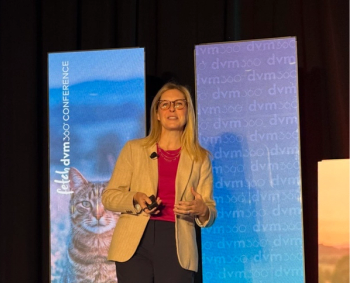
During an interview at the Fetch dvm360® conference in San Diego, California, Chris Pachel, DVM, DACVB, CABC, explained that if pets are partaking in nuisance behavior, veterinary professionals should ensure that clients are providing their pet an appropriate outlet instead of punishment.
View the video below for the entire discussion. The following is a partial transcript:
Chris Pachel, DVM, DACVB, CABC: Our brains tend to jump immediately to punishment, we tend to jump to, well, stopping that behavior. So we tend to think about things like squirt bottles, or verbal reprimands, or things of that nature. And what I want for us to think about before we go down that pathway is really thinking, well, first and foremost, have we given that particular animal in that environment, an appropriate outlet for that particular behavior? Again, these are normal species, typical behaviors, so if we haven't provided an appropriate outlet, it's not exactly fair to the cat to assume they're just going to stop that [behavior].