Sea You at Fetch Long Beach
|Articles|January 16, 2018

Aratana receives conditional approval for canine osteosarcoma vaccine

Immunotherapy product may delay or prevent metastatic disease and prolong overall survival in veterinary patients.

Aratana Therapeutics has been granted conditional approval for its canine osteosarcoma vaccine, live Listeria vector (AT-014) by the USDA's Center for Veterinary Biologics, according to a release from the company. It has been approved for treatment of dogs diagnosed with osteosarcoma that are 1 year of age or older.

"Osteosarcoma is the most common primary bone tumor in dogs and, since there haven't been advances to raise the standard of care in nearly 20 years, dogs often face a poor prognosis," says Ernst Heinen, DVM, PhD, chief development officer for Aratana, in the release. "We are hopeful that our canine osteosarcoma vaccine will be a new tool for veterinary oncologists to prolong survival in dogs with osteosarcoma."

The canine osteosarcoma vaccine is a novel immunotherapeutic developed using a Listeria-based antigen delivery system licensed from Advaxis. It's a lyophilized formulation of a modified live, attenuated strain of Listeria that activates cytotoxic T-cells. Because the therapeutic expresses a tumor-associated antigen, it directs the T-cells to fight cancer cells, even after the bacteria is cleared, which means the therapeutic builds on the dog's immune system and its ability to attack bacterial infections, redirecting it to fight the cancer cells, the release states.

In a clinical study of 18 client-owned dogs with osteosarcoma, the data suggest that the vaccine may delay or prevent metastatic disease and may prolong overall survival in these patients. The single-arm study evaluated dogs that had primary tumor removal and four doses of carboplatin chemotherapy, followed by the therapeutic vaccine every three weeks for three doses, according the release. The median survival time was 956 days compared with 423 days for a historical control group (p<0.05).

The most common adverse events included lethargy, diarrhea and fever, according to a separate field safety study that was submitted to the USDA for the conditional licensing process.

To progress from conditional licensure to full licensure as required by the USDA, Aratana plans to conduct an extended field study in a clinical setting, anticipating an early 2018 start to that study, the release notes. Initially, the therapeutic will be available for purchase at about two dozen veterinary oncology practice groups across the United States that participate in the study.


Related to this article

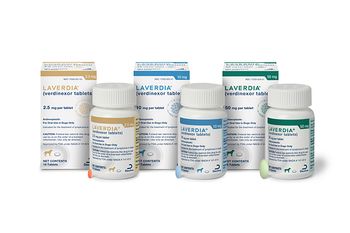
Laverdia now available for purchase for dogs with lymphoma
Verdinexor tablets are now available for dogs with lymphoma after receiving full FDA approval earlier this year, offering an at-home treatment option given twice weekly and showing a longer time to disease progression than the control in a field study.
Q&A: Caregiver burden can begin early in pet illness. Are veterinary teams equipped to support clients, and how can veterinary social workers help both parties?
Caroline Cox, LSW, MSW, and Erika Krick, VMD, DACVIM (Oncology), discuss the role of veterinary social workers in supporting clients, communicating with veterinary teams, and helping practices address the human side of veterinary care in this Q&A from an interview at the 2026 Fetch National Harbor Veterinary Conference.
Inside veterinary social work
In a slideshow drawn from an on-site dvm360 interview at the 2026 Fetch National Harbor Veterinary Conference, a veterinary oncologist and a veterinary social worker walk through how the role supports owners and staff across a pet's cancer diagnosis, treatment, and end-of-life care.