Christopher Lee, DVM, MPH, DACVPM, DACVM (Parasitology), explains Toxoplasma gondii facts, including why most indoor cats rarely shed, as well as pregnancy-safe litter tips for cat health.
The first survey of parasite control on bison ranches shows most herds are dewormed on a schedule, with little testing to see whether they need it. Researchers say the habit could make resistance harder to manage.
Alyssa Mages, BS, CVT, FVTE, outlines key considerations for veterinary technicians during triage, from rapid patient assessment and prioritization to client communication and team coordination, in this interview from the 2026 Fetch National Harbor Veterinary Conference.
In a session at the 2026 Fetch National Harbor Veterinary Conference, Nathanael Oster, VMD, MBA, walked attendees through the biology, diagnosis, and treatment of the flea tapeworm in dogs and cats, including why cats are affected more often than dogs.
dvm360's Australian correspondent Phil Tucak, BSc, BVMS, reports on the success of the new membership model at the Australian Veterinary Association, and reforms to the veterinary regulatory framework in New South Wales.
A new cost analysis finds that matching relapsed lymphoma treatment to a personalized drug-response test was associated with longer disease control and a lower estimated daily treatment cost in dogs.
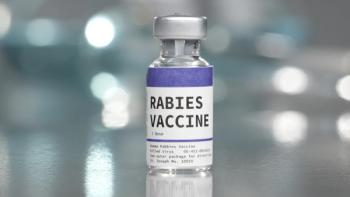
Following World Rabies Day and a CDC health advisory on a 17% rise in exposure-related calls, Rodney E. Rohde, PhD, explains what the increase means, what people should do when they have an animal bite or scratch, and how clinicians should assess risk and administer post-exposure prophylaxis (PEP).