Overcoming adversity and achieving goals
Duhon did not let her personal battles deter her from pursuing her passion for veterinary medicine. She was denied 4 times before receiving an acceptance letter from the veterinary school at LSU.
“A no-handed person in veterinary medicine or human medicine doesn’t really exist. Especially a surgeon or someone who has the responsibilities as I do,” she told attendees.
She knew that clinical rotation would be challenging because she had to learn things differently than others, but she didn’t let that hinder her. Duhon continued to shine by using innovative methods to hold tools and perform veterinary responsibilities. “Just because I couldn’t do something necessarily the same way everyone else did, didn’t mean that I couldn’t do it. I had to do a lot of thinking out of the box,” she expressed.
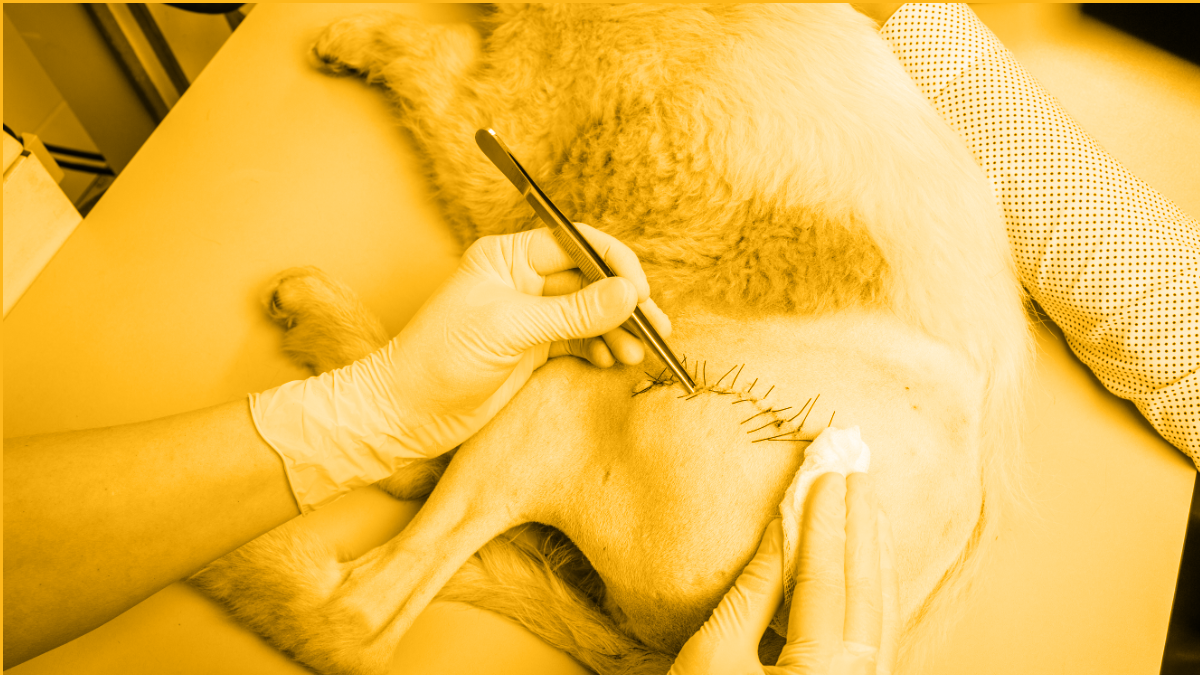
After graduating, she completed a shelter medicine fellowship. She then was hired as faculty at LSU where she is currently working in junior surgery, teaching veterinary students the principles of surgery such as spaying or neutering.
Resiliency in mind and body
Duhon faced 2 additional life-altering events. In 1999, she experienced spinal meningitis and in 2015, she was diagnosed with meningoencephalitis, which is an inflammation of the brain and its surrounding membranes.1
“My brain was continuing to swell, and I couldn’t speak, see out of my left eye or walk. I had 1 of my cousins who I was close with [near me] because she was the only one who could understand what I was trying to say,” she recalled.
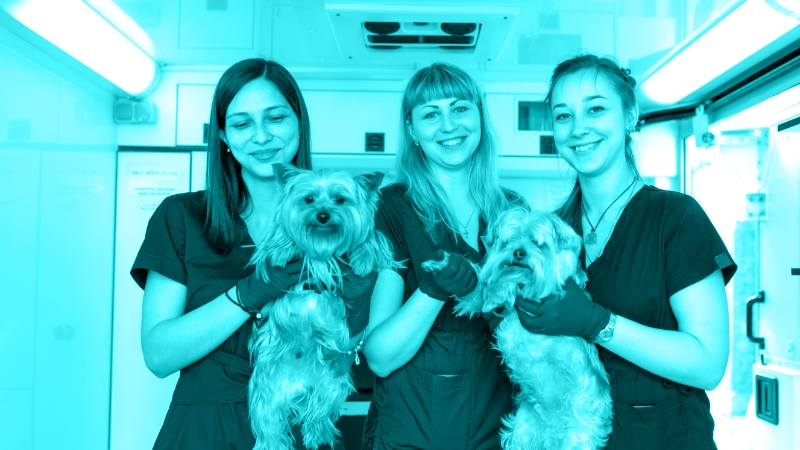
Though she only had a 1% chance of living, Duhon defied all odds yet again and miraculously recovered. During her recovery, she attended several months of therapy before returning to what she loves, working in the mobile unit performing surgery.
Throughout adversity, Duhon’s unwavering spirit has remained intact. She explains how she stays positive. “I stay happy because of the people that I am around. I stay around positive people: my family, my friends, people I work with. I live for the other people,” she said. “I spend as much time with them as I can, and it makes me live a happy life.”
Final thoughts
Duhon offers invaluable advice to those with disabilities in the profession. “I think it’s very important for people to 1, realize their disabilities and 2, learn how to cope with those disabilities and not carry a chip on your shoulder because if you have a chip on your shoulder, that’s going to hold you back a lot,” she said.
References
- Dash, M K. Herpes meningoencephalitis: Causes, diagnosis, and treatment. Intech Open. Published August 30, 2017. Accessed May 14, 2020. https://www.intechopen.com/books/meningoencephalitis-disease-which-requires-optimal-approach-in-emergency-manner/herpes-meningoencephalitis-causes-diagnosis-and-treatment