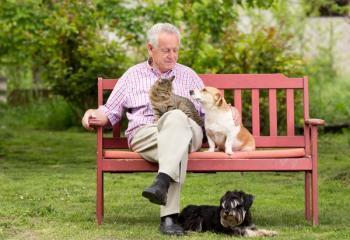
A survey of 900 older adults who live alone found that pet owners reported better emotional wellbeing, less stress, and more physical activity. Dog owners reported the most activity.
A local high school student who wants to be a veterinarian asked to volunteer in my clinic after school. I could use someone to straighten up the reception area, file, and run errands. But she wants to be a doctor, not a file clerk. If she's capable, should I train her to do simple clerical tasks?
A local high school student who wants to be a veterinarian asked to volunteer in my clinic after school. I could use someone to straighten up the reception area, file, and run errands. But she wants to be a doctor, not a file clerk. If she's capable, should I train her to do simple clerical tasks?
"I'd have to say no to the front-office tasks, unless you add her to your staff and pay her," says Veterinary Economics Editorial Advisory Board member Dr. Craig Woloshyn, owner of Sun Dog Veterinary Consulting and Animal Medical Clinic in Spring Hill, Fla. "Wannabe docs need exposure to the back office so they can see whether the profession is really what they think it is. It's our responsibility to interested kids, and it shouldn't turn into free labor for us. However, problems arise because we don't really have much use for untrained, unschooled folks, so we end up with an observer, who produces no tangible return to the practice. But how else can young people evaluate the profession?"
Dr. Woloshyn says that practices can, personalities permitting, host interested young people in the practice as unpaid observers on a limited basis so that they don't affect the clinic operations. "Of course, the problems of safety, insurance, and legal issues are serious impediments to many owners," he says. "I emphasize the first and ignore the other two, but that's a personal choice each owner must make."
Dr. Craig Woloshyn