Sea You at Fetch Long Beach
|Videos|December 8, 2021

Feline gastrointestinal lymphoma signs

San Diego

In a dvm360® interview, Sue Ettinger, DVM, DACVIM (Oncology), shared the types of lymphoma and common signs to be mindful of surrounding this condition.

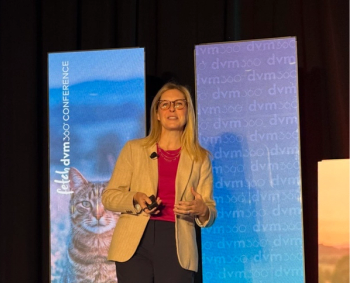
In an interview at the Fetch dvm360® conference in San Diego, California, Sue Ettinger, DVM, DACVIM (Oncology)—also known as "Dr Sue Cancer Vet"—described the 2 main types of feline gastrointestinal lymphoma and outlined the shared signs of these conditions.

View the video below for the entire discussion. The following is a partial transcript:

Sue Ettinger, DVM, DACVIM (Oncology): The signs are actually very similar [in the 2 kinds of lymphoma], and they're non-specific and we see them in other kinds of diseases as well, but typically we have vomiting, diarrhea, weight loss, and then changes in appetite. [Now], the hard part with changes in appetite is it can be something [like being] picky, they're just not eating as well to complete anorexia.



Related to this article

Q&A: Caregiver burden can begin early in pet illness. Are veterinary teams equipped to support clients, and how can veterinary social workers help both parties?
Caroline Cox, LSW, MSW, and Erika Krick, VMD, DACVIM (Oncology), discuss the role of veterinary social workers in supporting clients, communicating with veterinary teams, and helping practices address the human side of veterinary care in this Q&A from an interview at the 2026 Fetch National Harbor Veterinary Conference.
Inside veterinary social work
In a slideshow drawn from an on-site dvm360 interview at the 2026 Fetch National Harbor Veterinary Conference, a veterinary oncologist and a veterinary social worker walk through how the role supports owners and staff across a pet's cancer diagnosis, treatment, and end-of-life care.
Laverdia now available for purchase for dogs with lymphoma
Verdinexor tablets are now available for dogs with lymphoma after receiving full FDA approval earlier this year, offering an at-home treatment option given twice weekly and showing a longer time to disease progression than the control in a field study.