Christopher Lee, DVM, MPH, DACVPM, DACVM (Parasitology), discusses the clinical significance of Toxoplasma gondii, when veterinary professionals should consider testing and how to communicate the risks of exposure to clients.
Have clients fill out this form to gather all the information you need to help constipated cats.
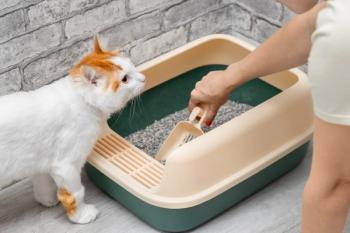
Given the myriad possible causes of constipation in cats as well as concurrent problems, getting an appropriate history is very important. Clients may misinterpret stranguria as tenesmus. Not only is asking about the cat's current diet (type, frequency, appetite) important, but also be sure to ask questions to determine whether the patient might be dehydrated (due to decreased intake or increased water loss), may have orthopedic pain, or may be disinclined to use the litter box because of social or toileting factors (fear, unpleasant box).